
Accounting

This engaging guide is designed to make learning accounting fun and accessible for Grade 8 students. Through interactive exercises, real-world examples, and clear explanations, you’ll develop a strong foundation in accounting principles and gain valuable skills that will benefit you throughout your academic and professional journey.

Chapter 1

BASIC ACCOUNTING PRINCIPLES

After studying this chapter, you should be able to:

  • define accounting,
  • explain the purpose of accounting,
  • explain and apply the different accounting concepts,
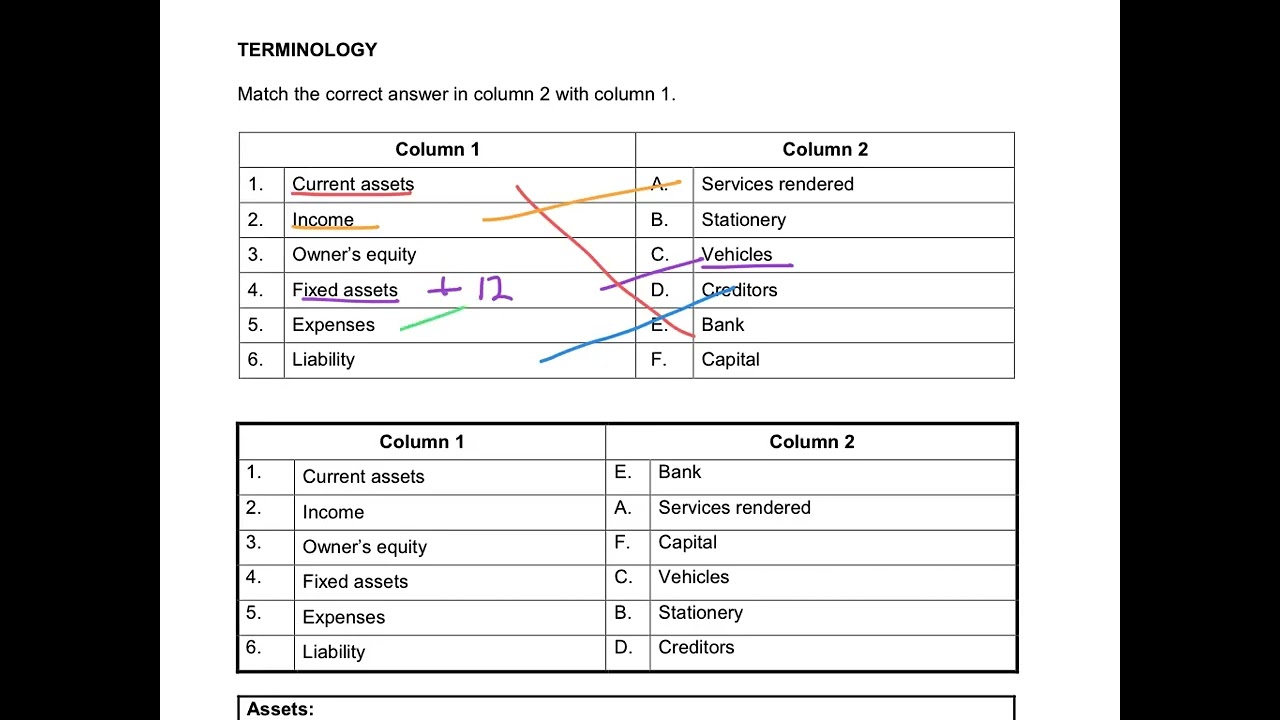
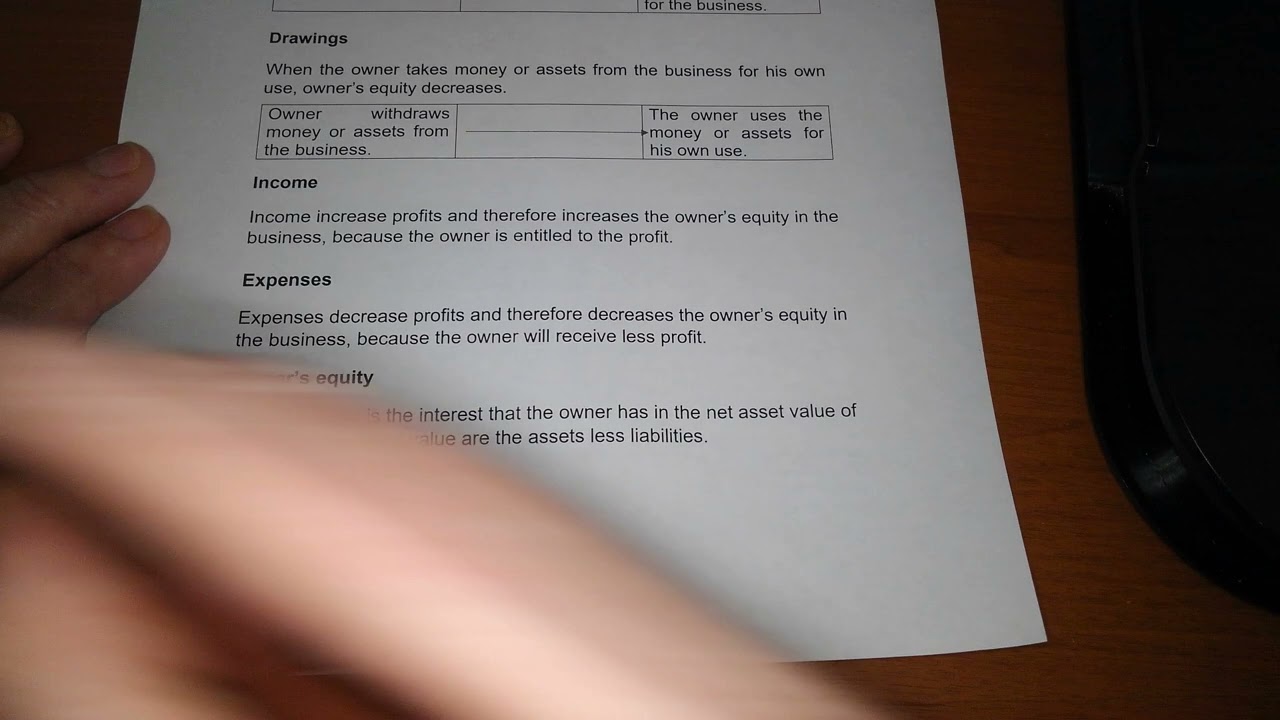
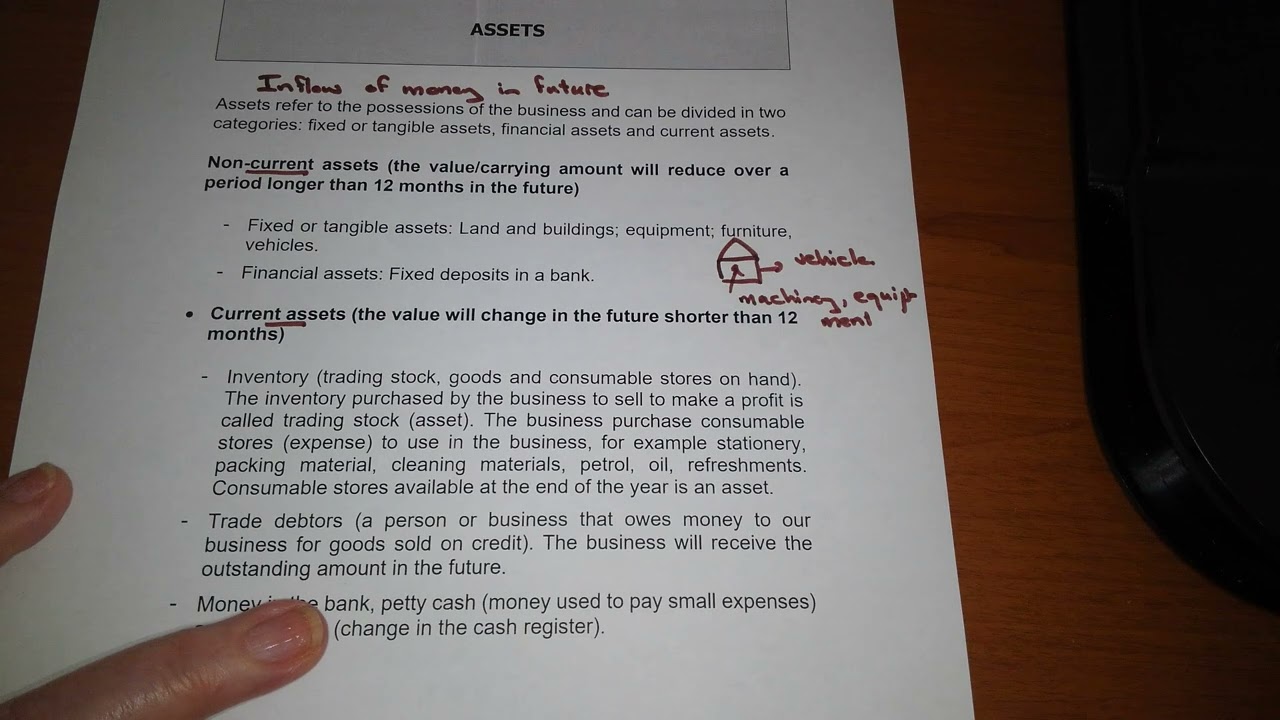
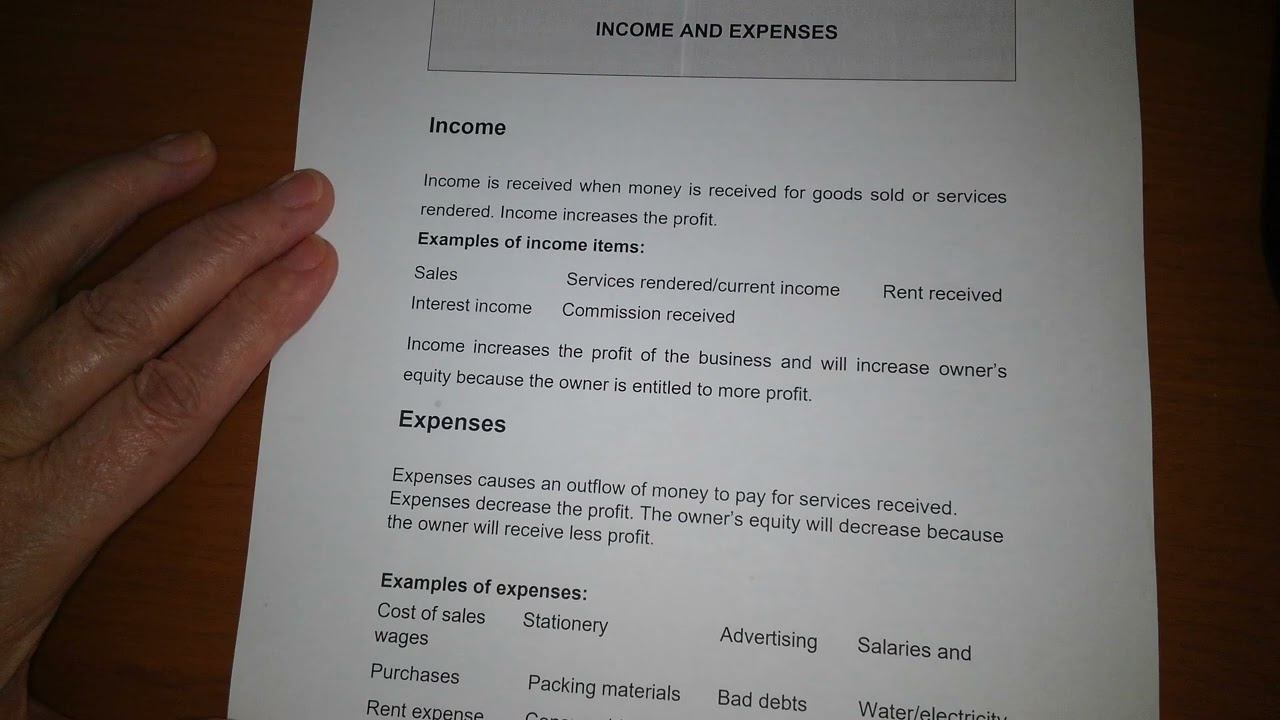
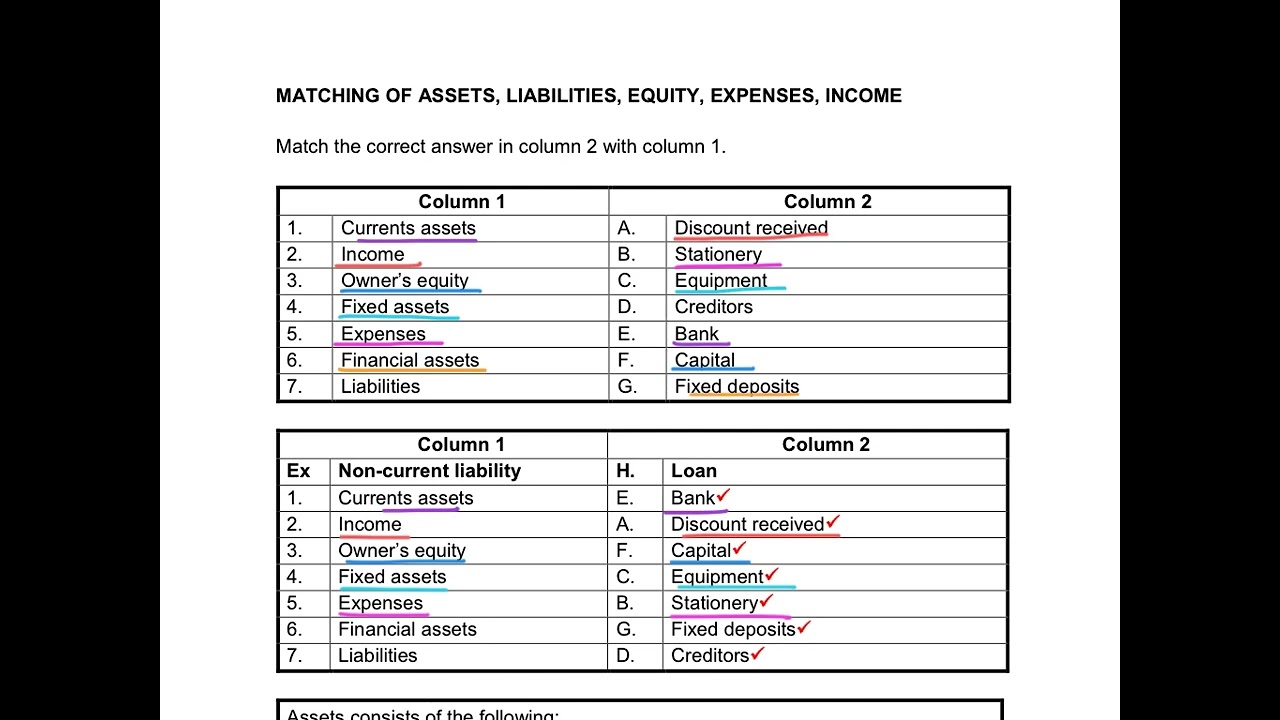
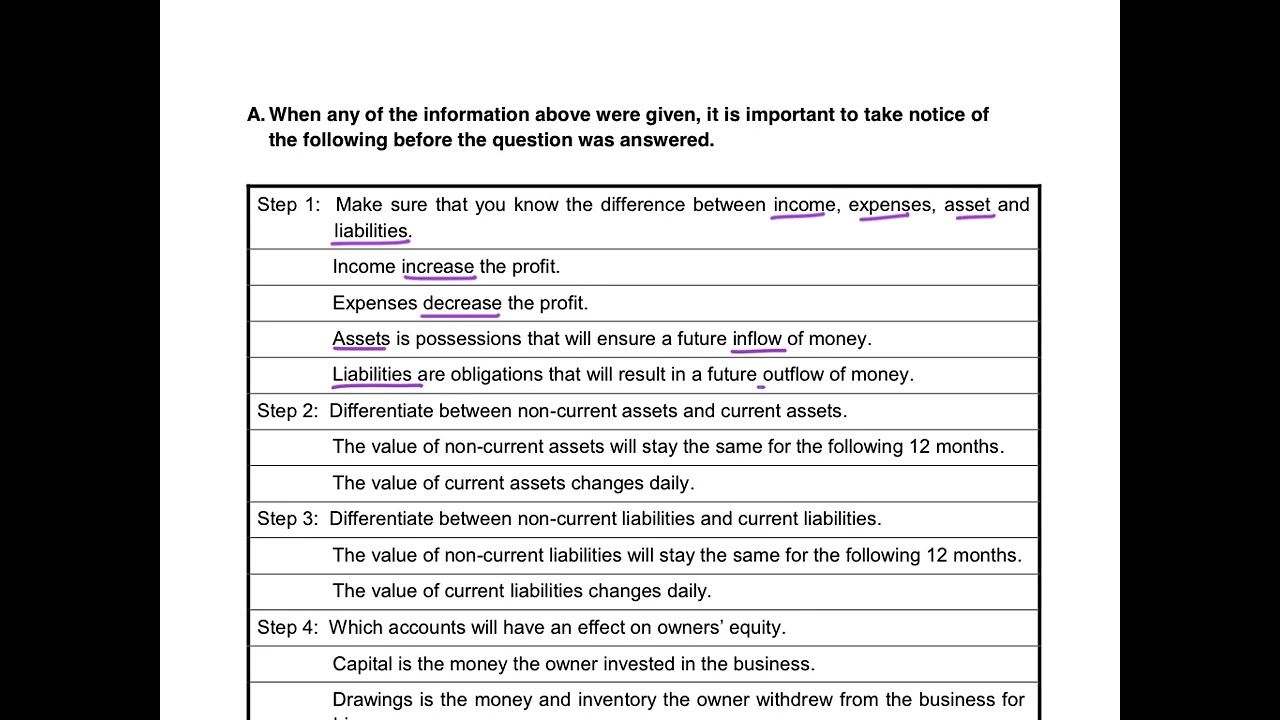
  • name the elements that will affect the financial position, and
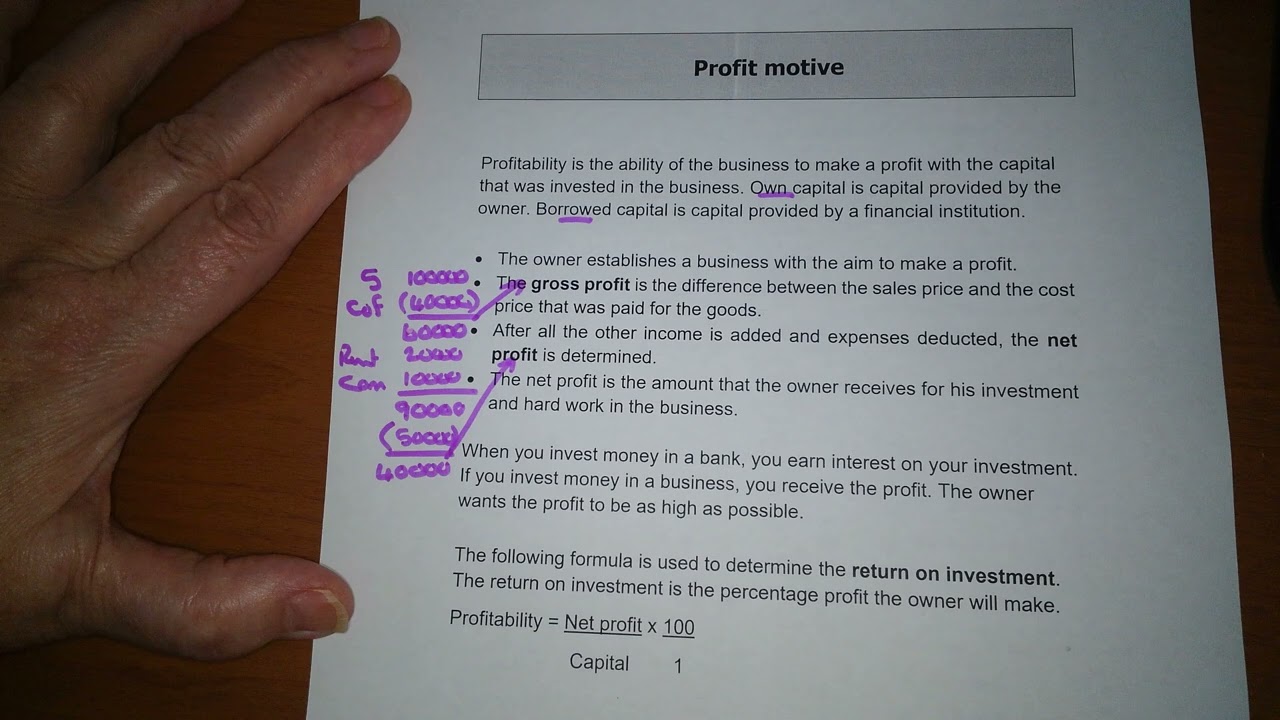
  • name the elements that will measure the financial result.

Subject Notes

The Subject Notes / Learner’s Guide is a comprehensive handbook covering all the required content in detail. It includes thorough explanations of key concepts, examples, and a wide range of questions to support understanding and application. This guide is designed to build strong subject knowledge and prepare learners thoroughly for assessments and examinations.

Workbook & Solution Book

This workbook contains additional questions to support exam preparation. The extra practice helps learners reinforce their understanding of key concepts, improve their application skills, and build confidence before the examination.

Short Questions

Short questions help to determine whether a learner understands the basic concepts in Accounting. They assess whether learners know the terminology, can explain principles, and interpret information — rather than simply memorising content. By answering short questions, learners demonstrate that they genuinely understand and can apply the core concepts.

Recordings

Playlist

13 Videos

Chapter 2

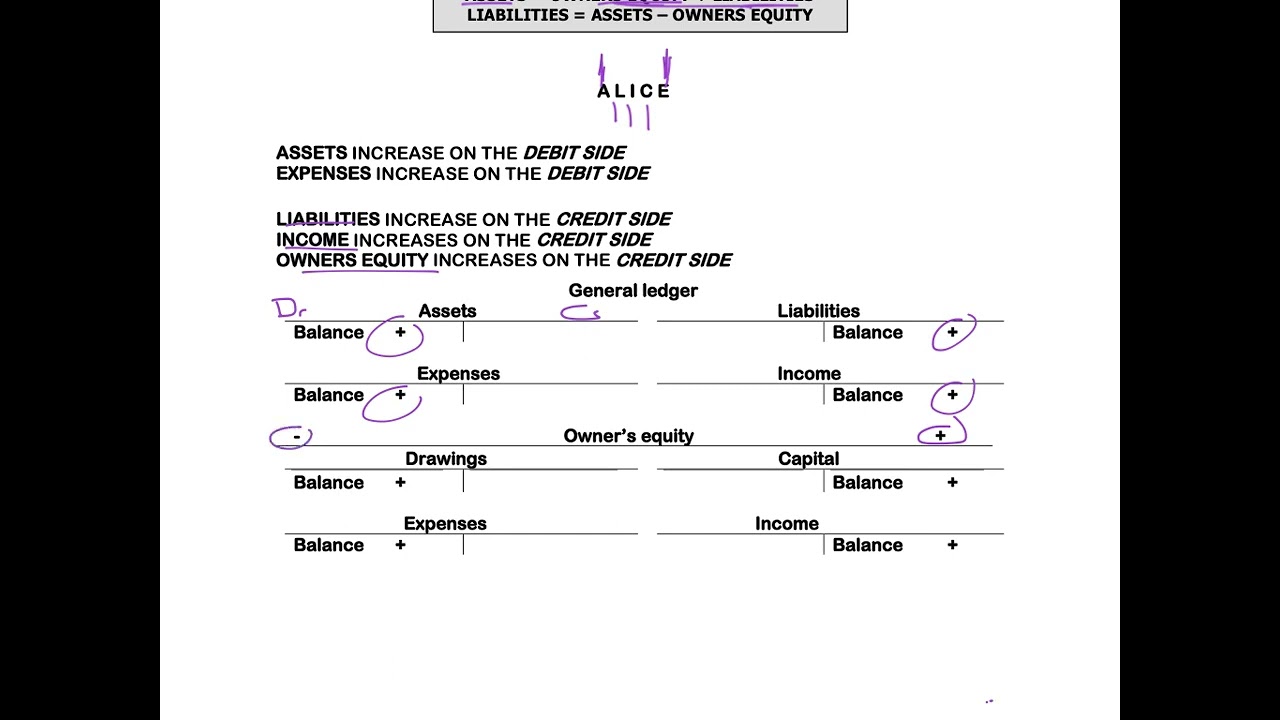
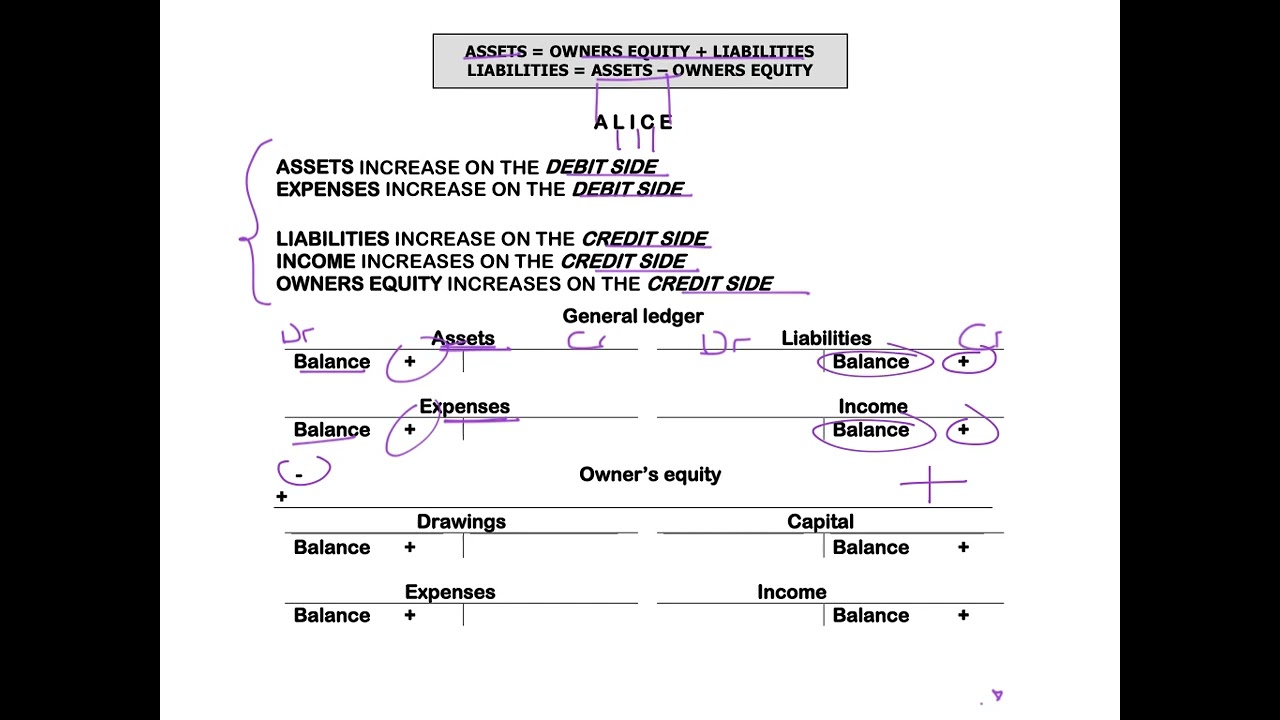
ACCOUNTING EQUATION

After studying this chapter, you should be able to:

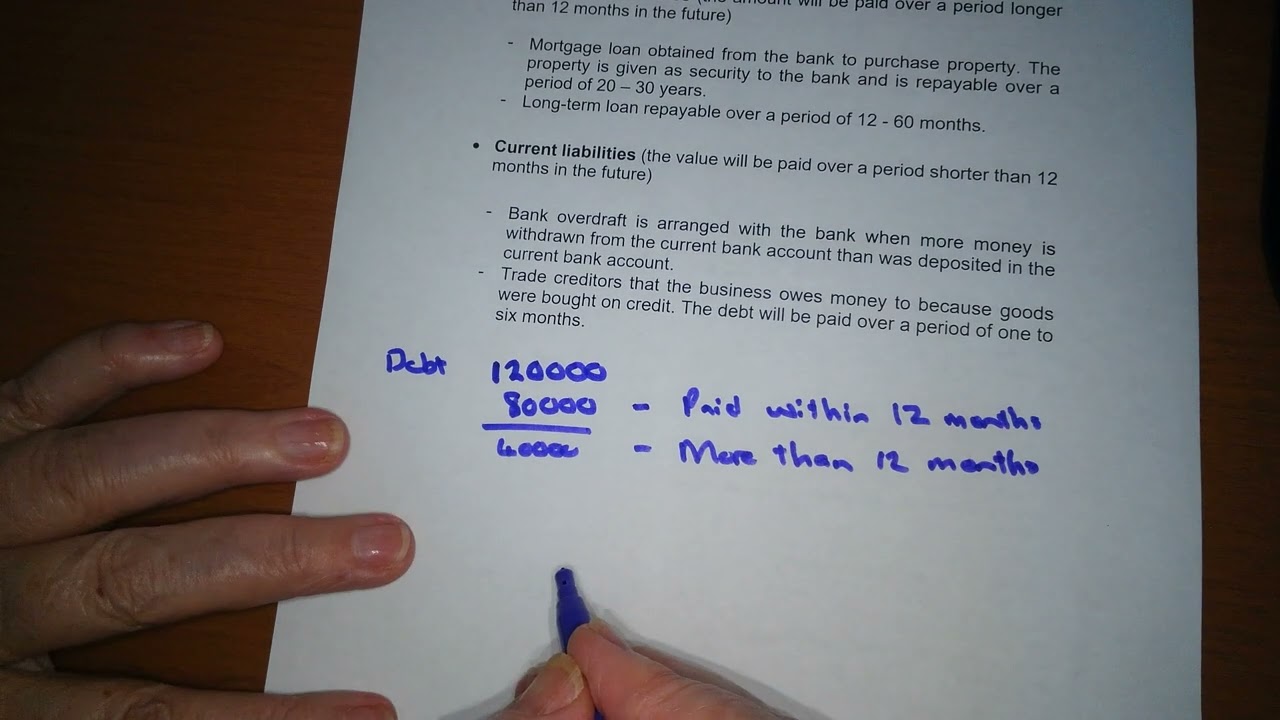
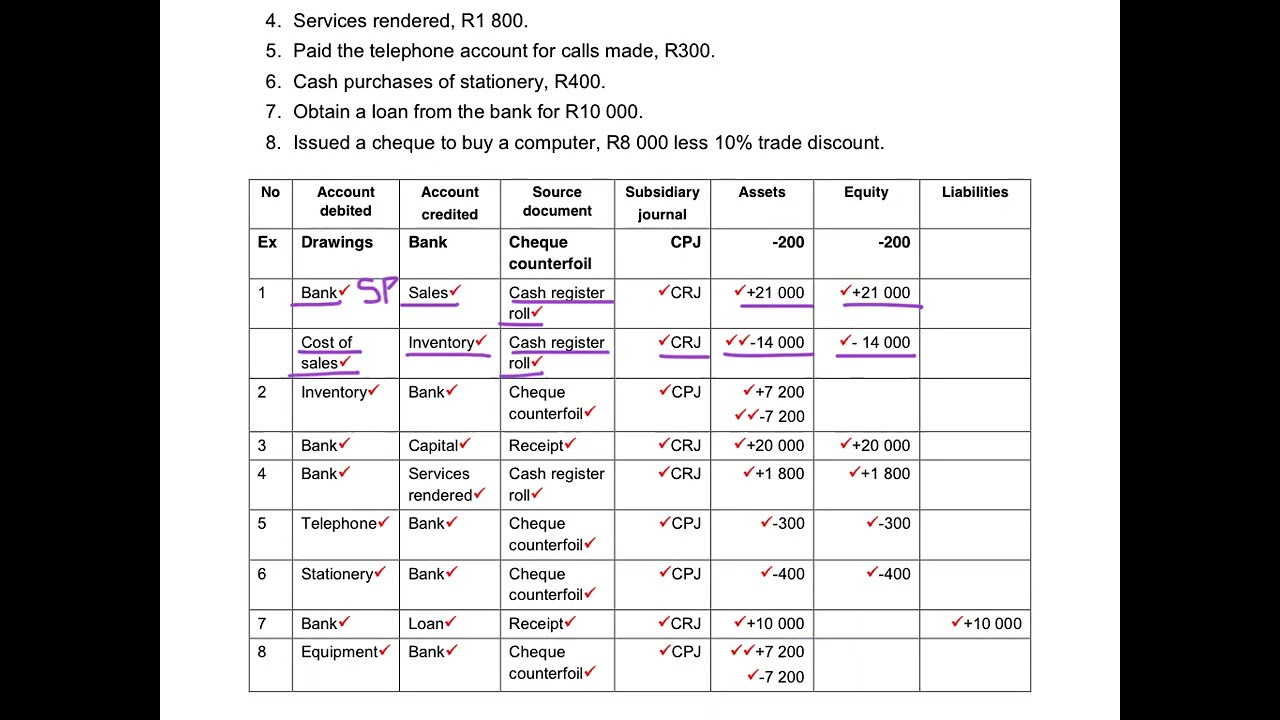
  • understand the relationship that exists between the assets, liabilities and the interest of the owner in the entity,
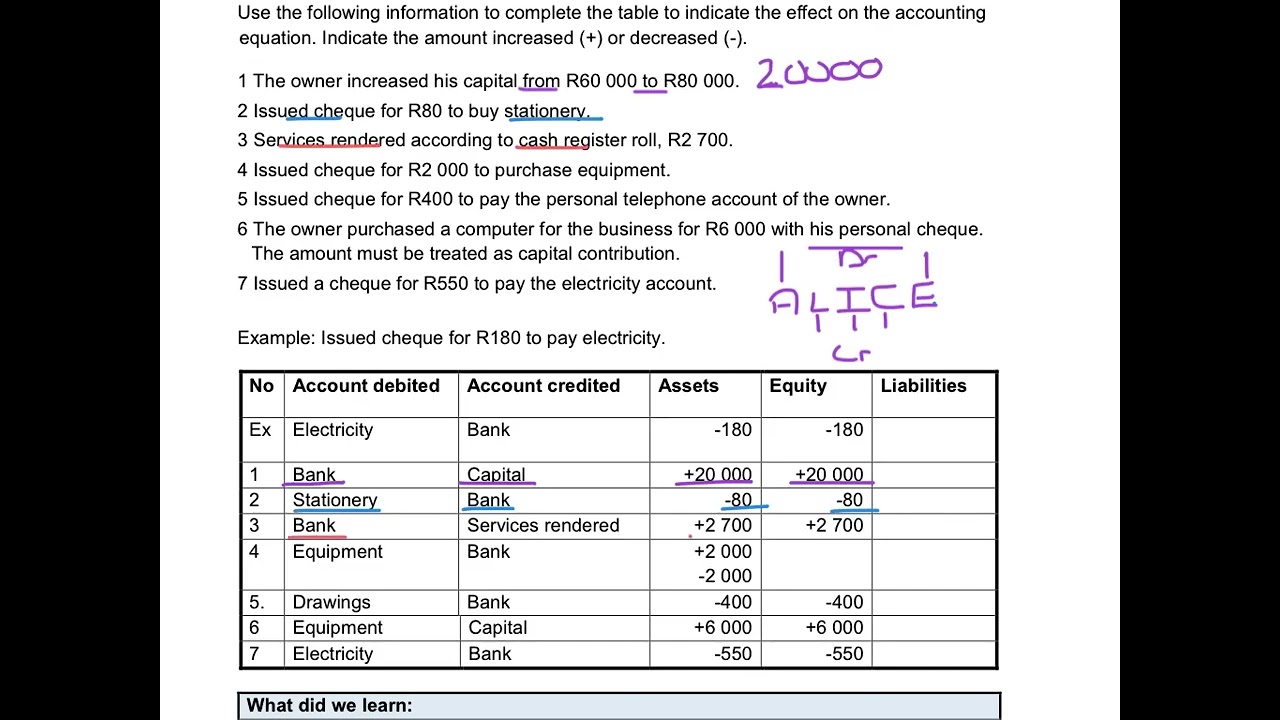
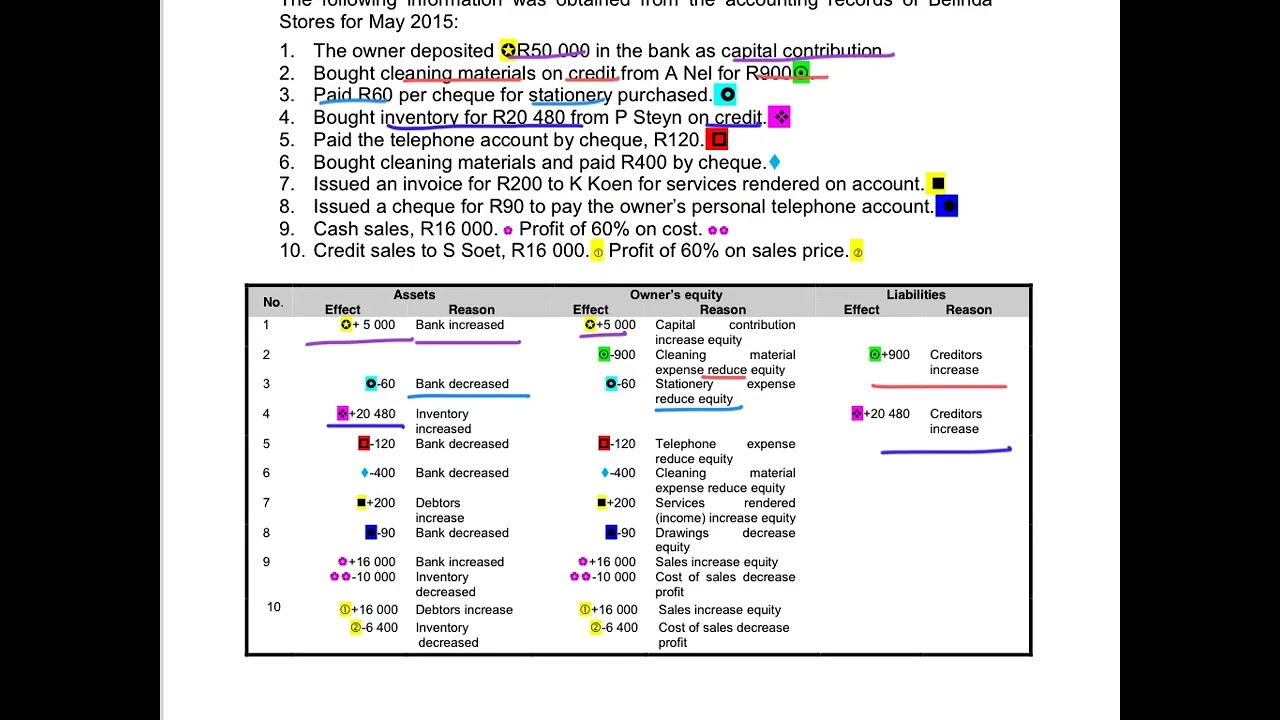
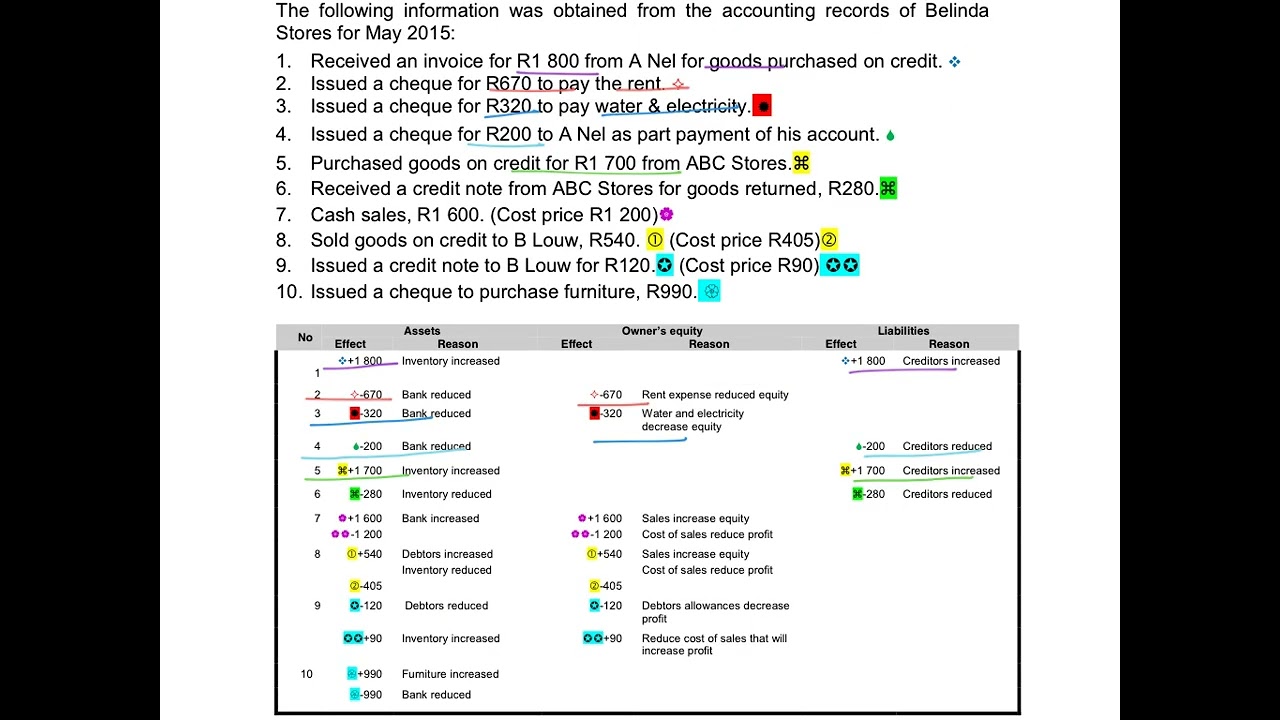
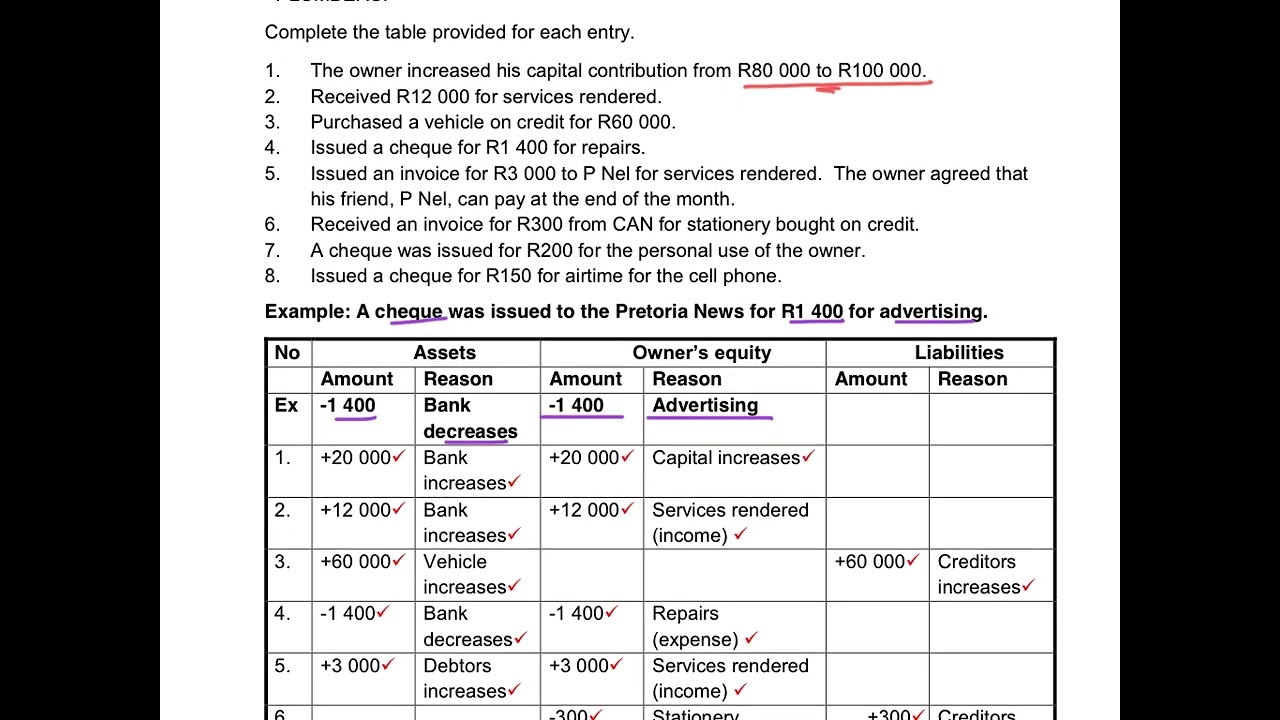
  • analyse the effect of each transaction on the accounting equation,
  • understand the double entry concept,
  • understand when an account is debited and credited

Subject Notes

Recordings

Playlist

16 Videos

Chapter 3

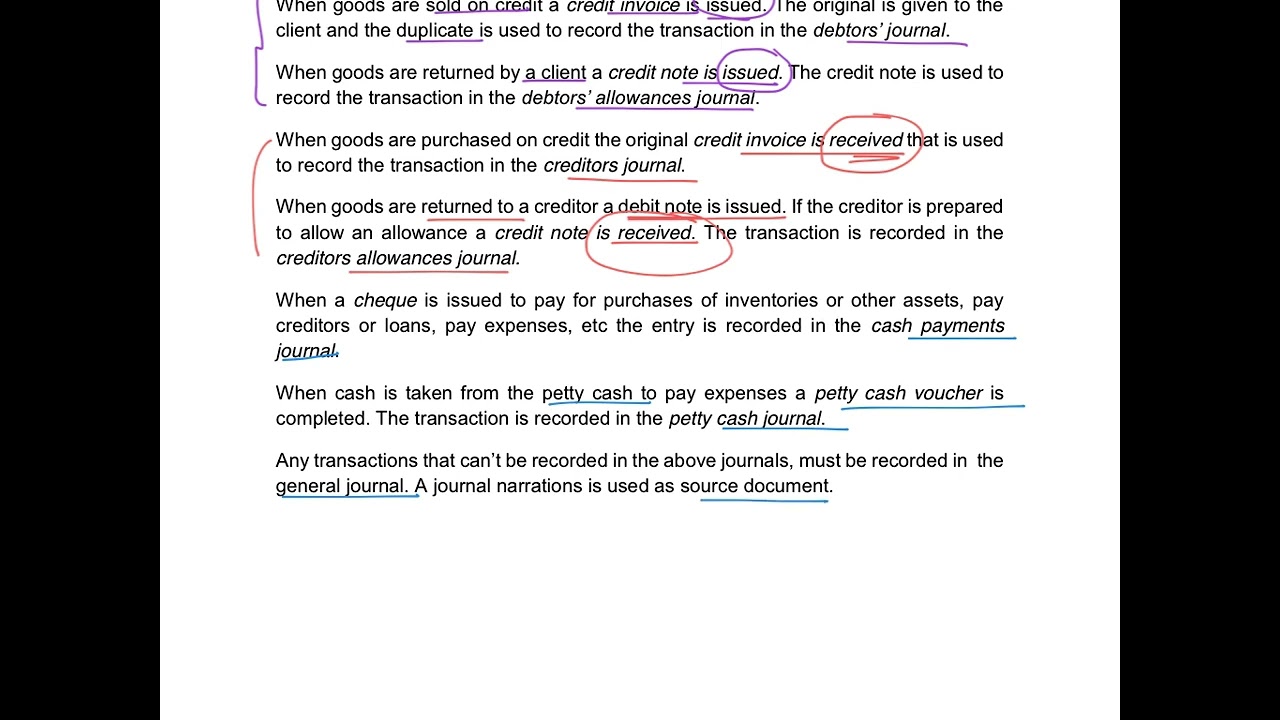
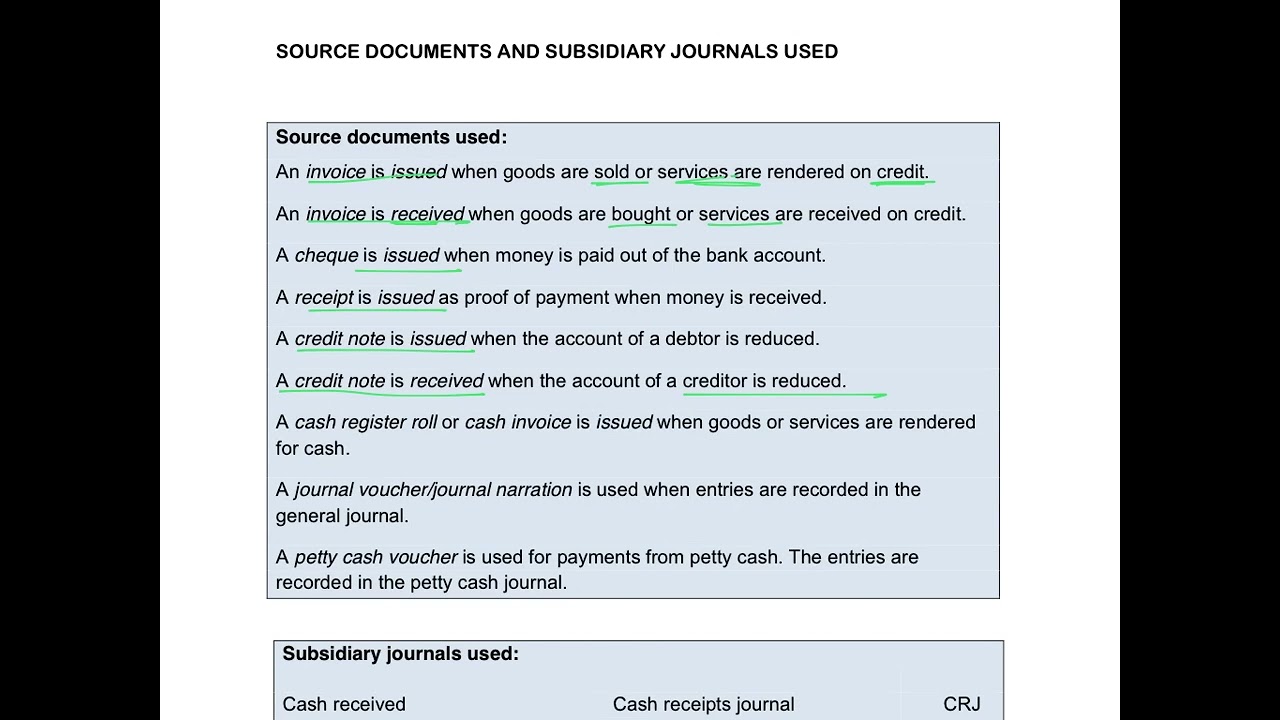
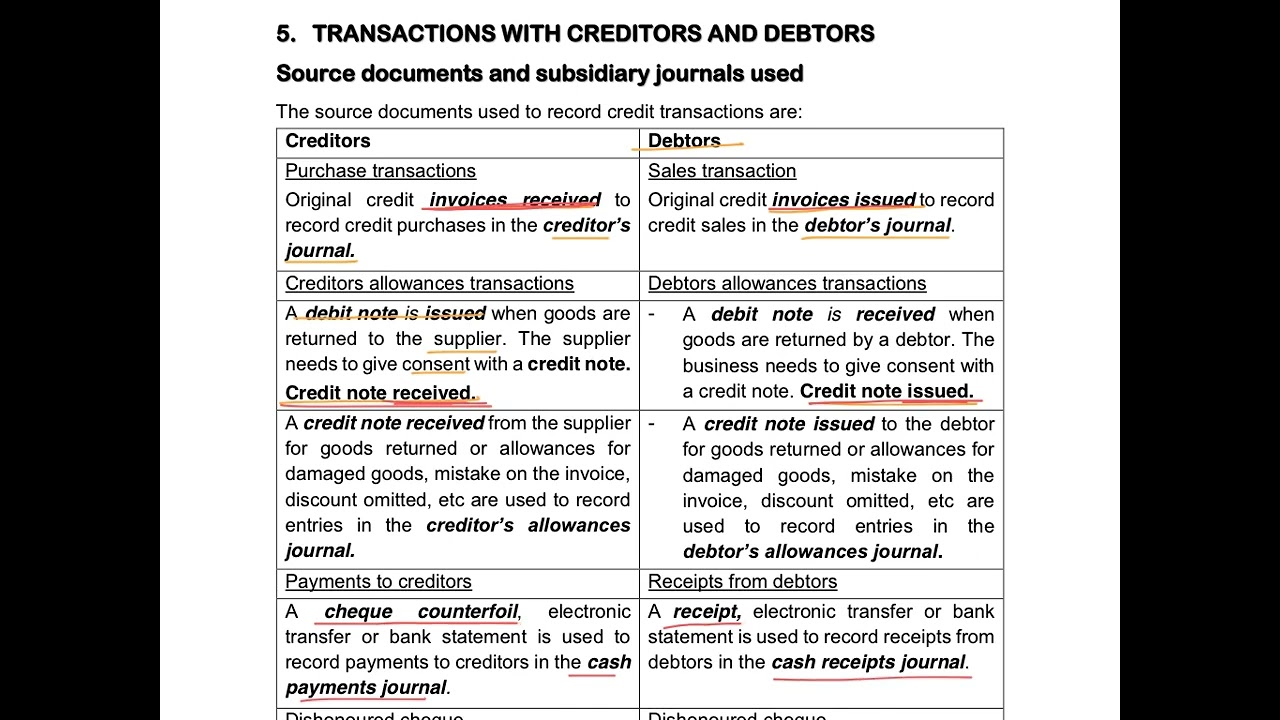
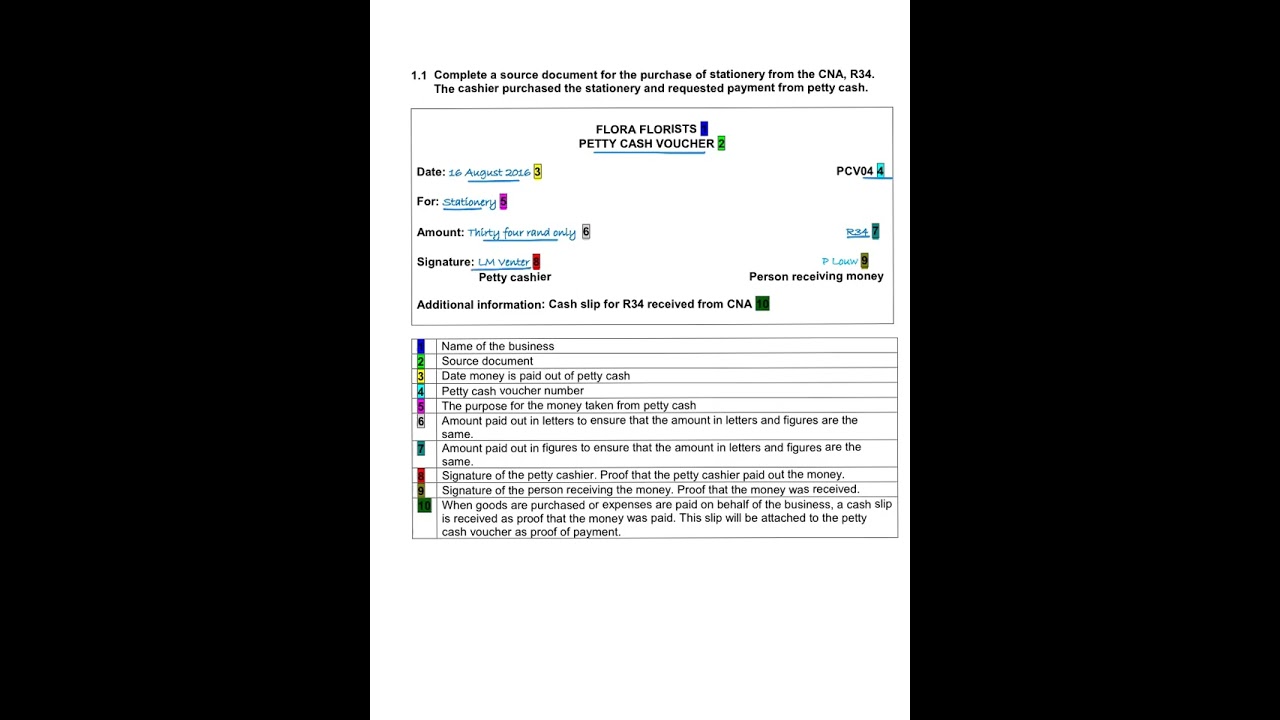
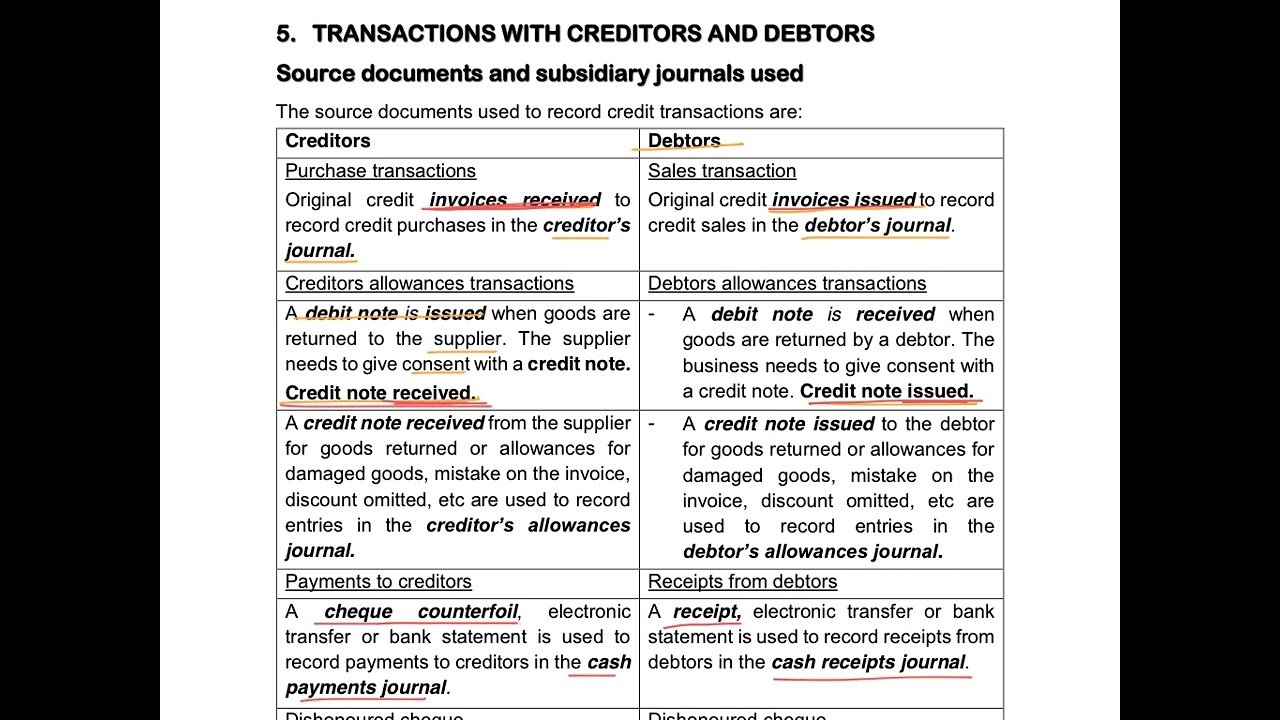
SOURCE DOCUMENTS

After studying this chapter, you should be able to:

  • understand the purpose of source documents,
  • distinguish between the source documents,
  • complete a source document,
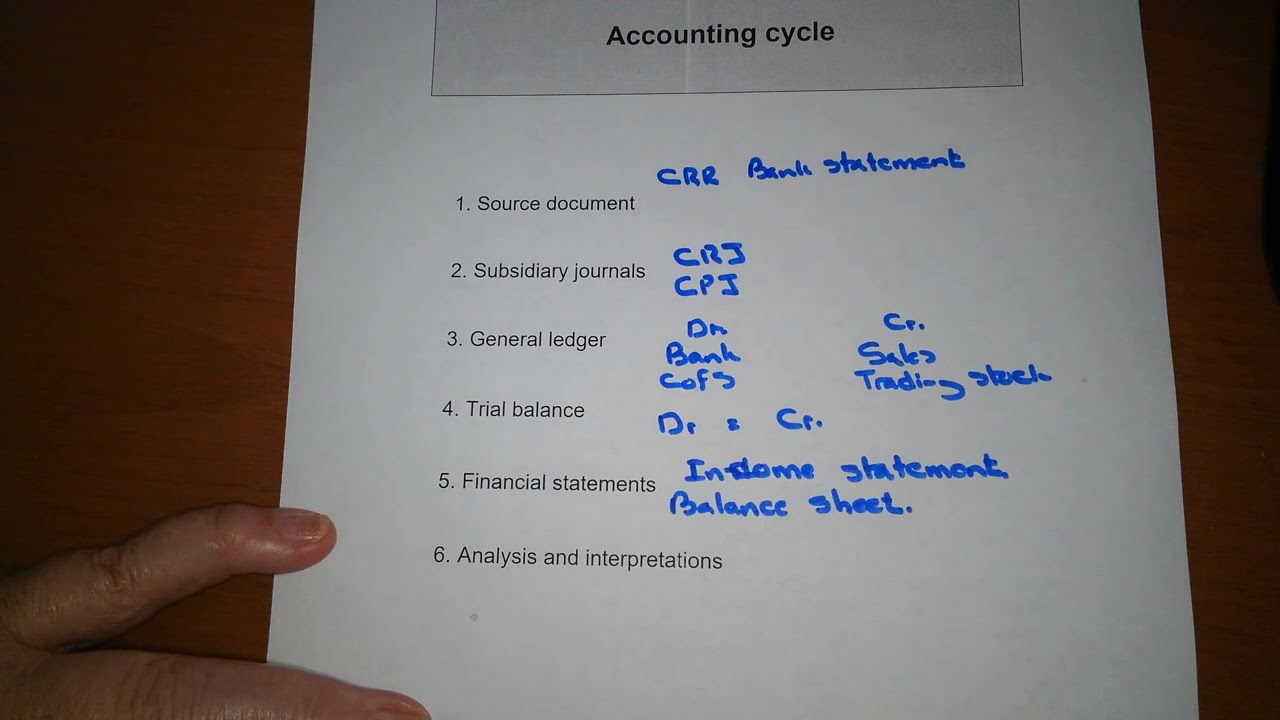
  • determine the subsidiary journals in which the source documents are recorded.

Subject Notes

Recordings

Playlist

10 Videos

Chapter 4

LEDGER AND TRIAL BALANCE

After studying this chapter, you should be able to:

  • explain the double entry system,
  • explain what the effect of transactions on the accounting equation are,
  • record transactions in the general ledger;
  • balance the ledger accounts;
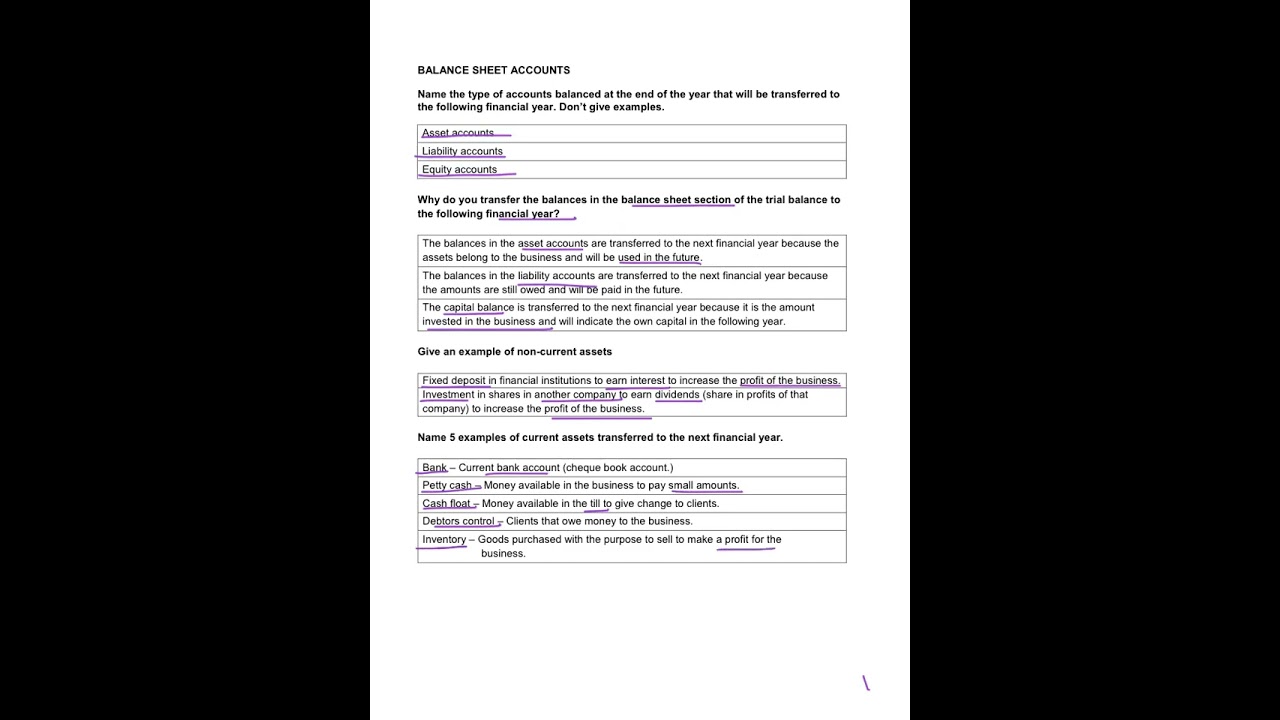
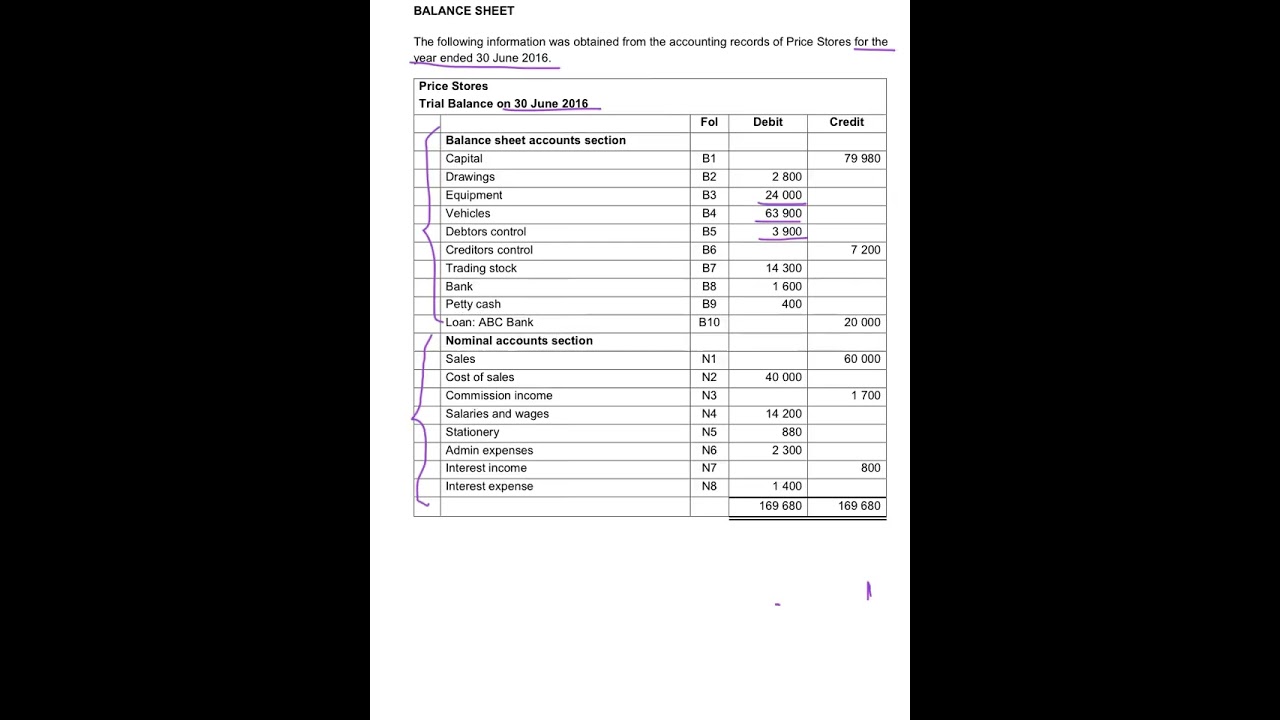
  • distinguish between balance sheet accounts and nominal accounts.

Subject Notes

Recordings

Playlist

14 Videos

Chapter 5

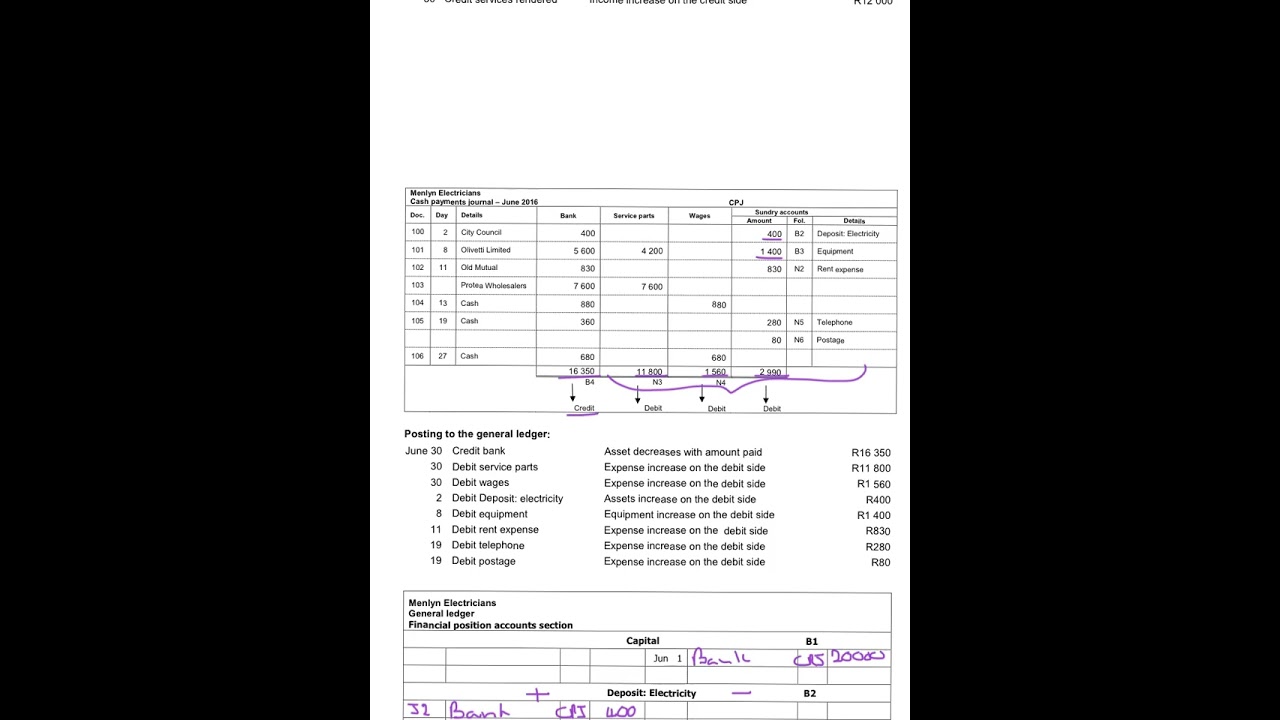
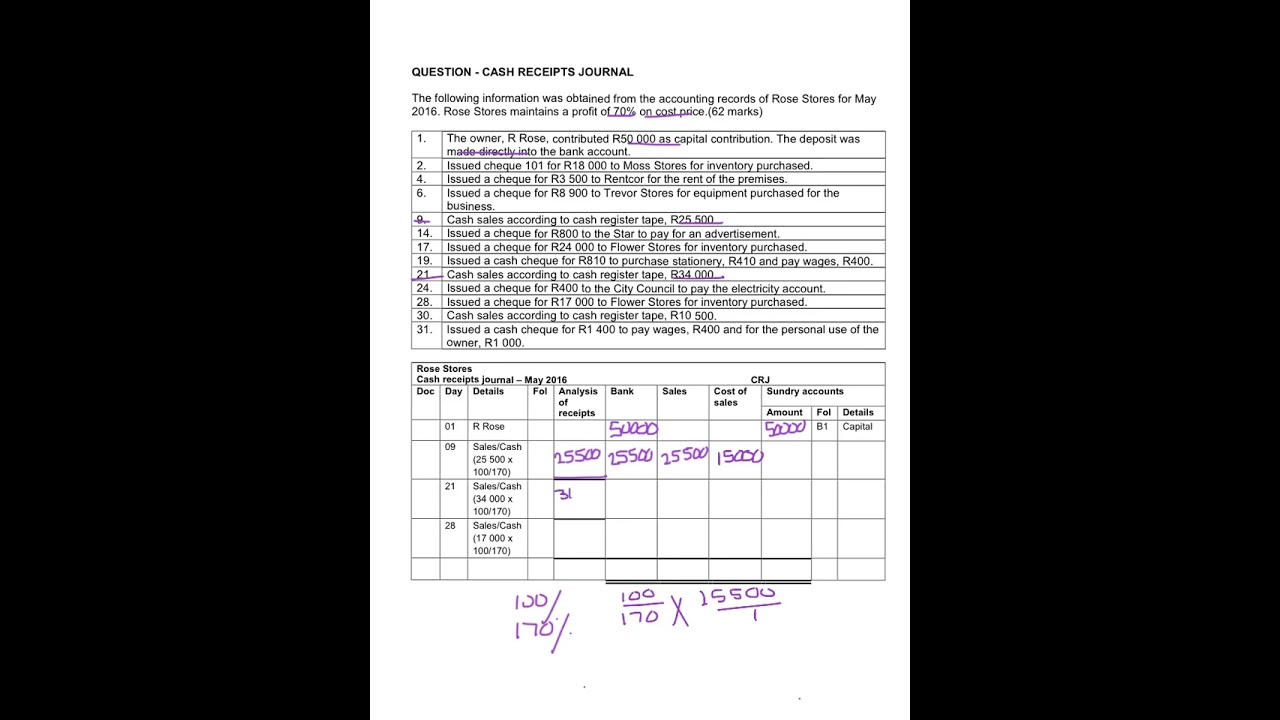
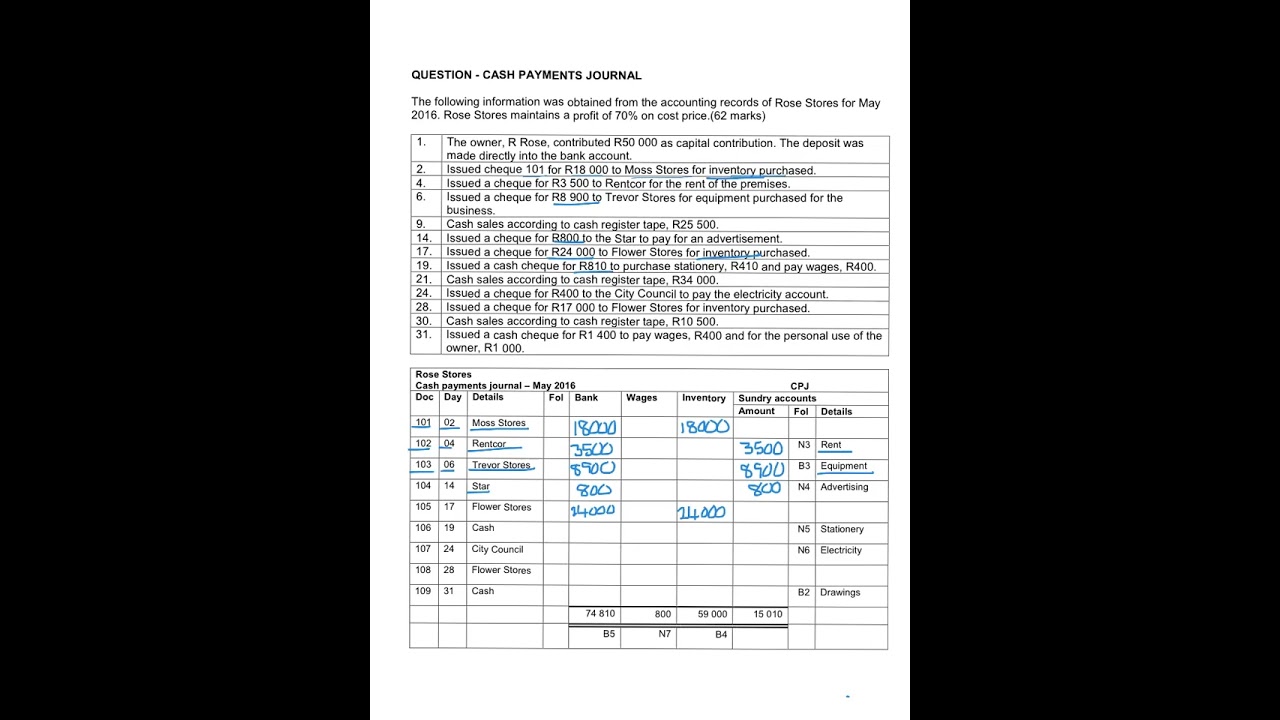
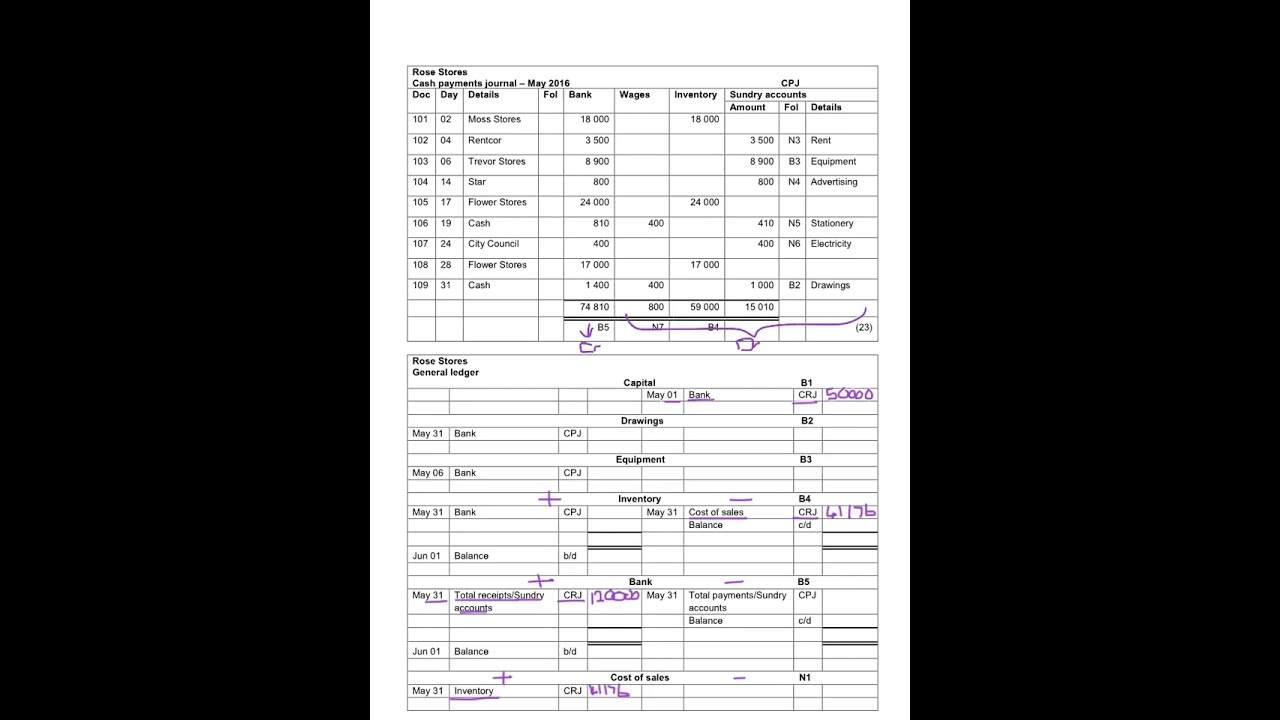
CASH TRANSACTIONS

After studying this chapter, you should be able to:

  • distinguish between cash receipts and cash payments,
  • record cash transactions for service undertakings and retail businesses,
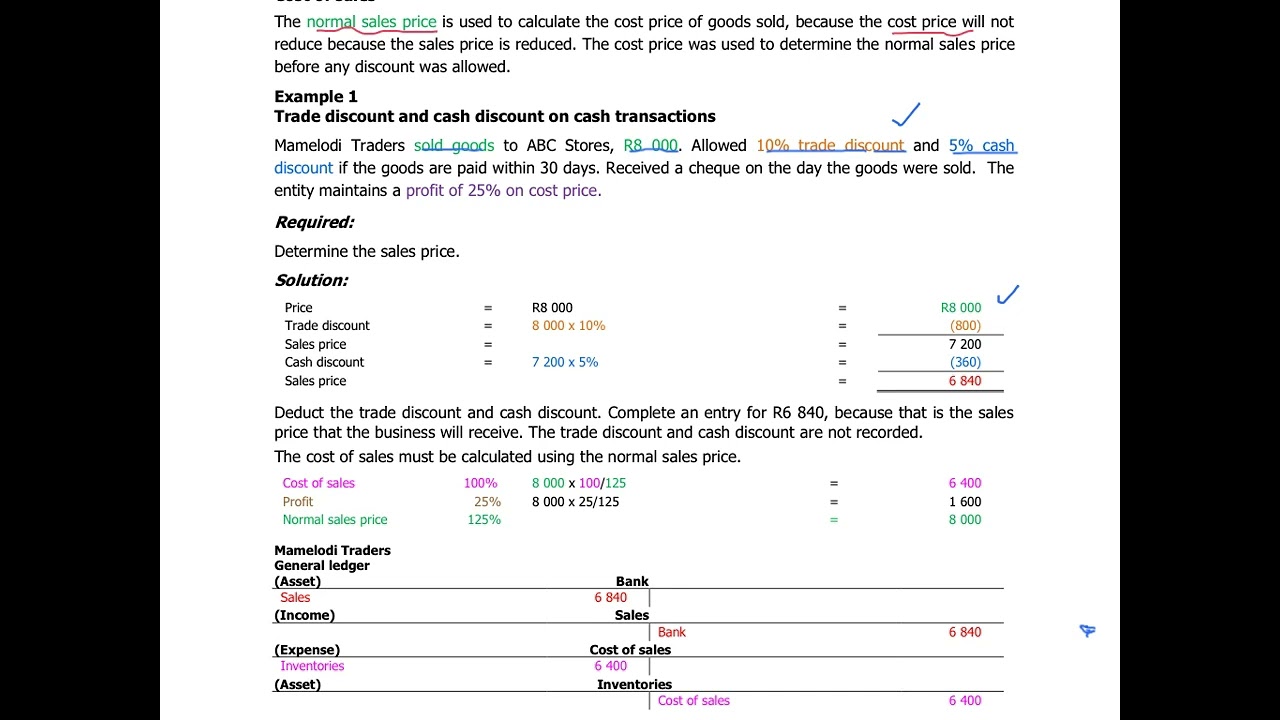
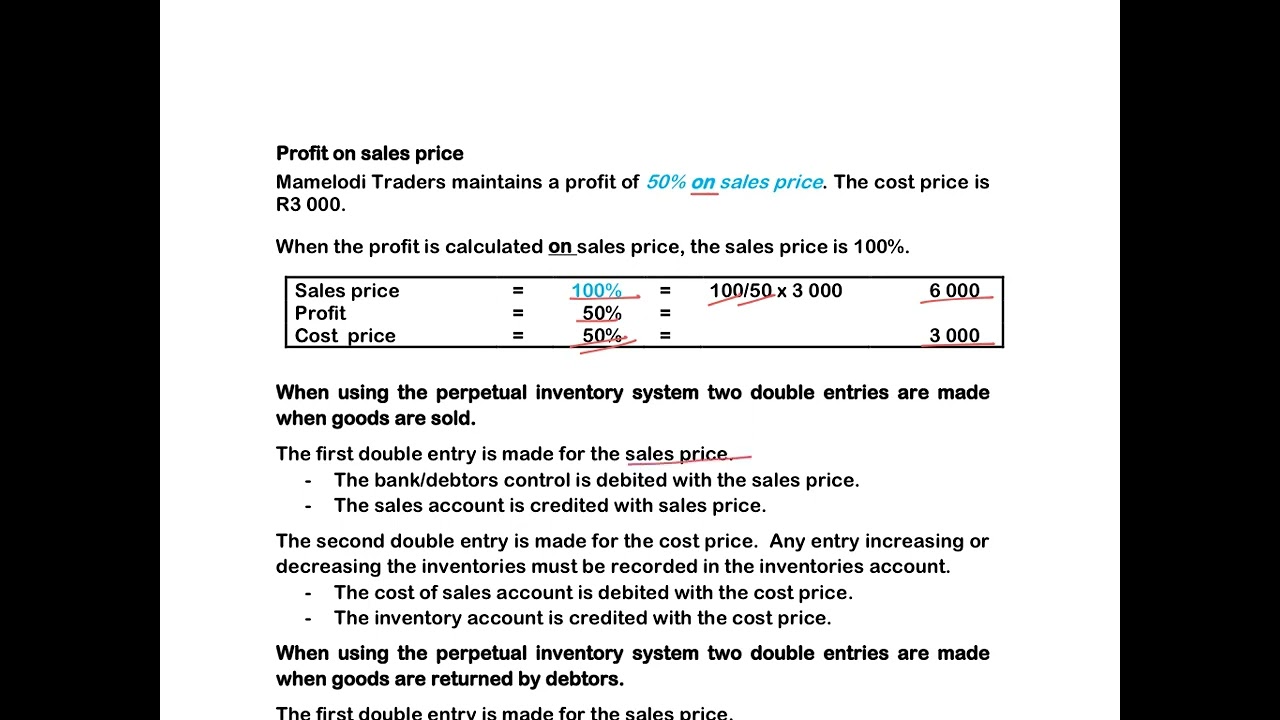
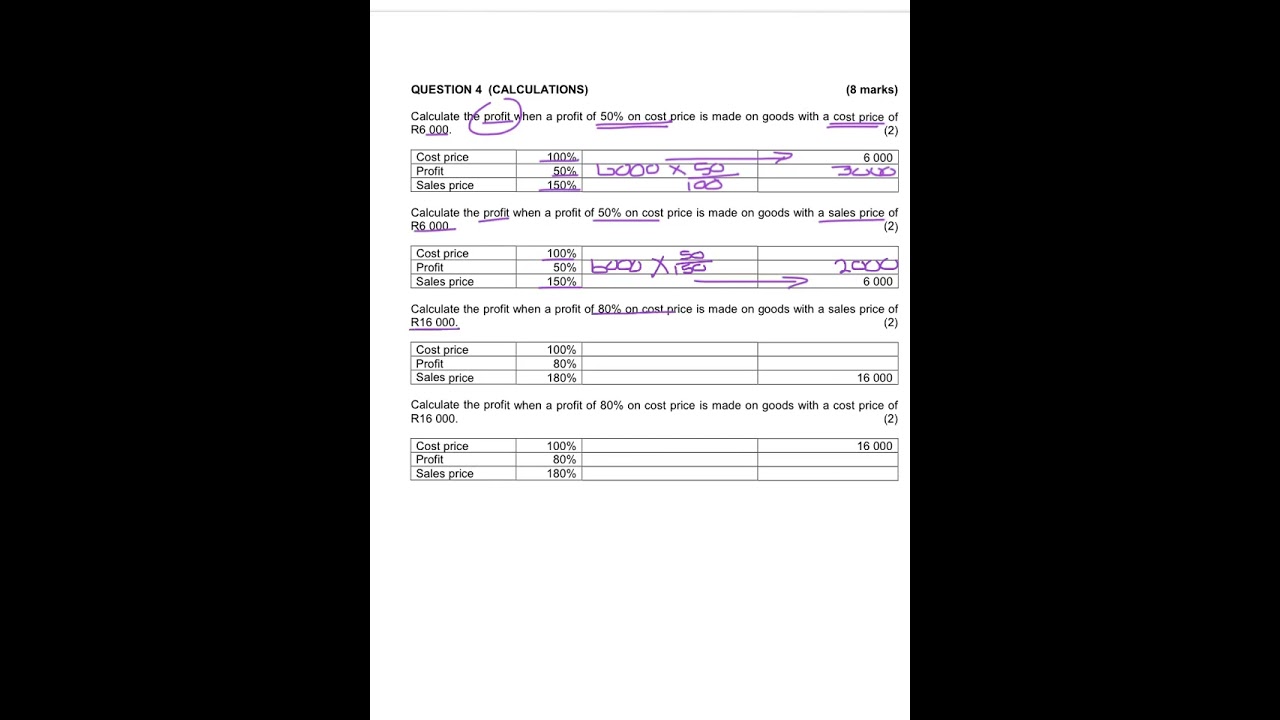
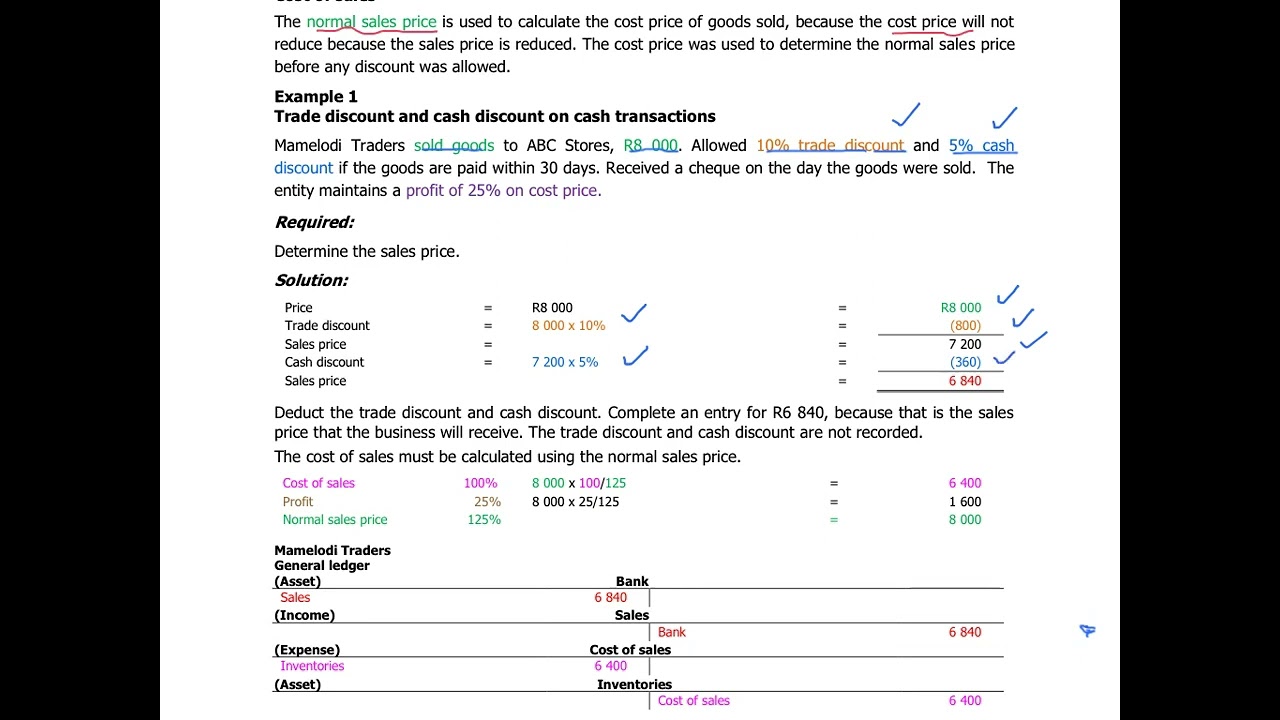
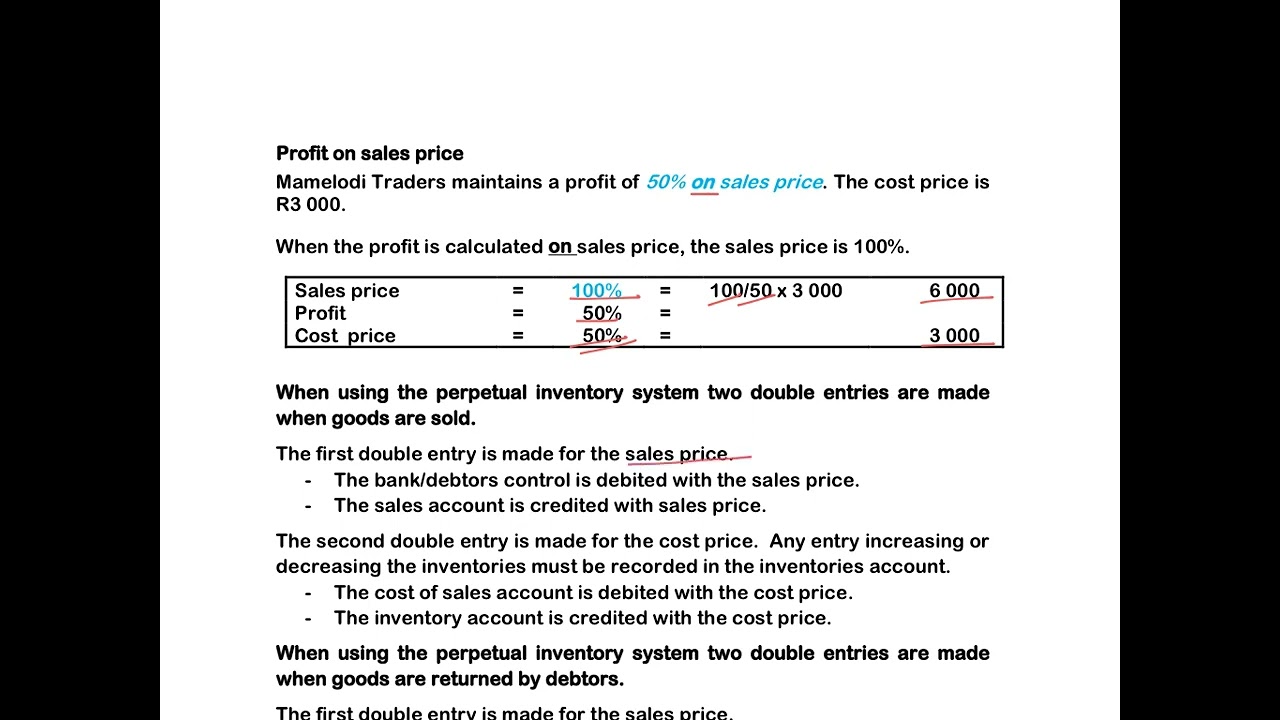
  • calculate cost of sales,
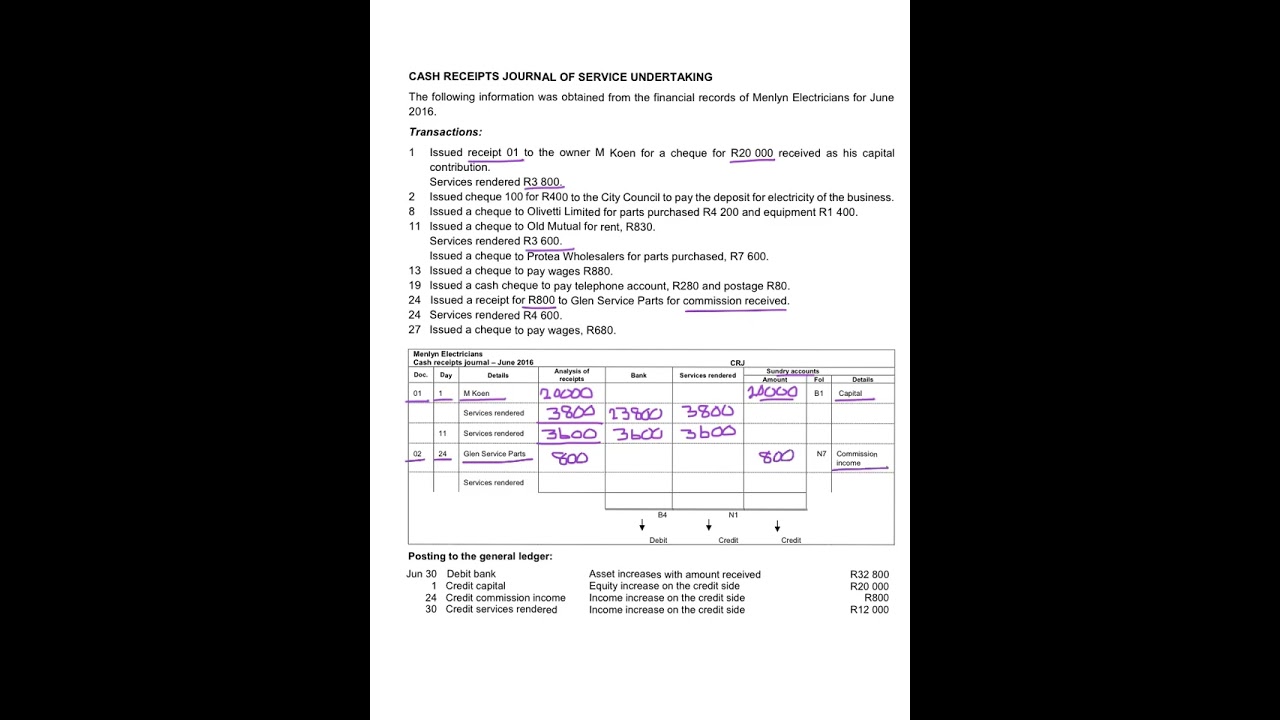
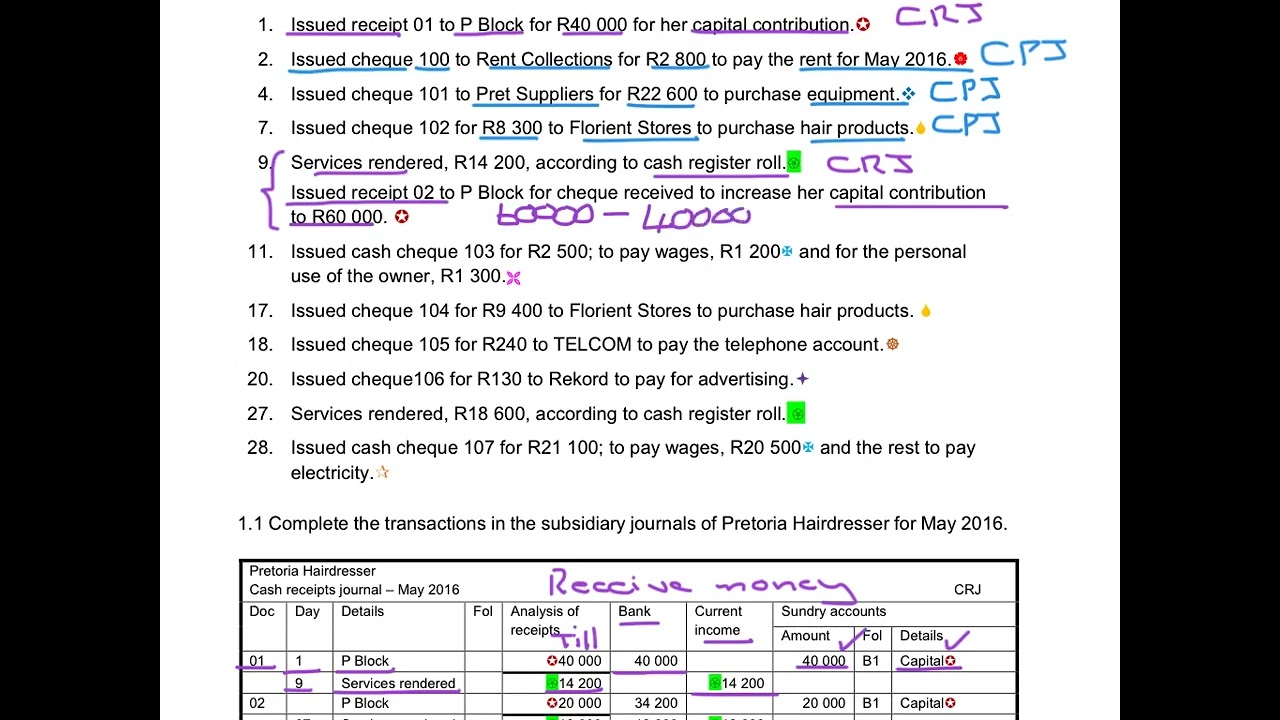
  • record transactions in the cash receipts journal when money is received,
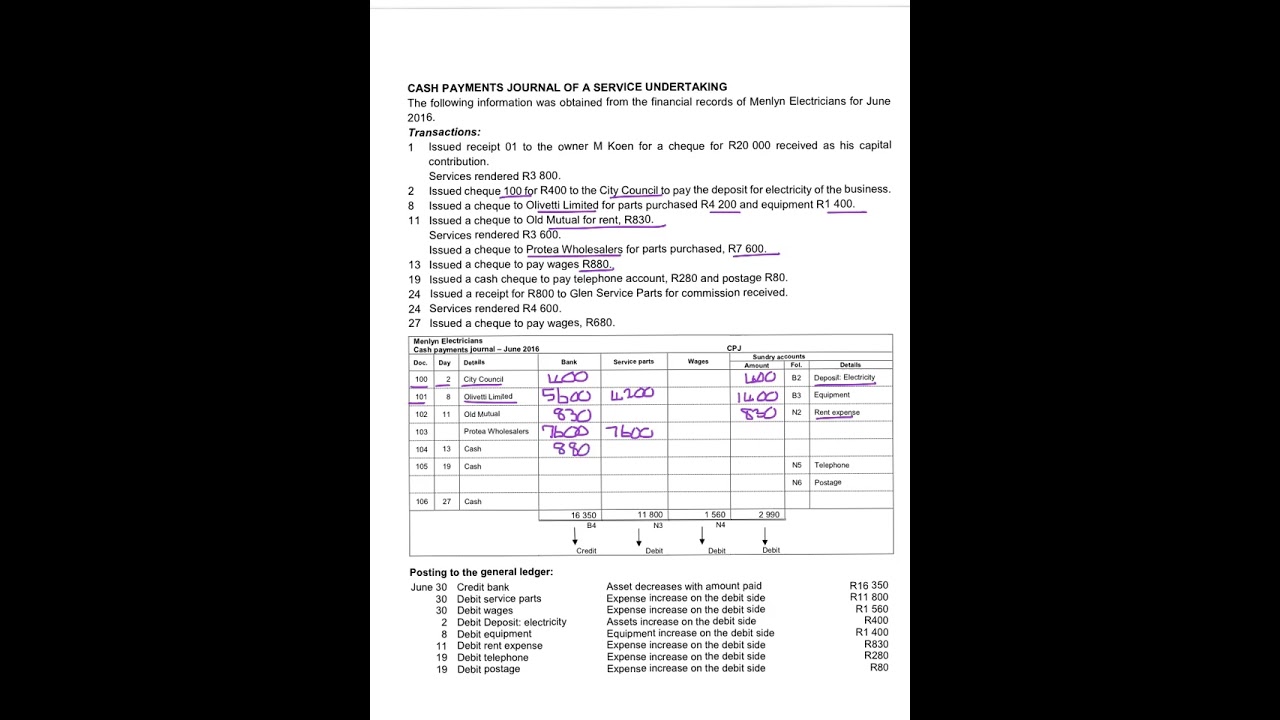
  • record transactions in the cash payments journal when money is paid, and
  • correctly post transactions from the cash journals to the general ledger.

Subject Notes

Recordings

Playlist

19 Videos

Chapter 6

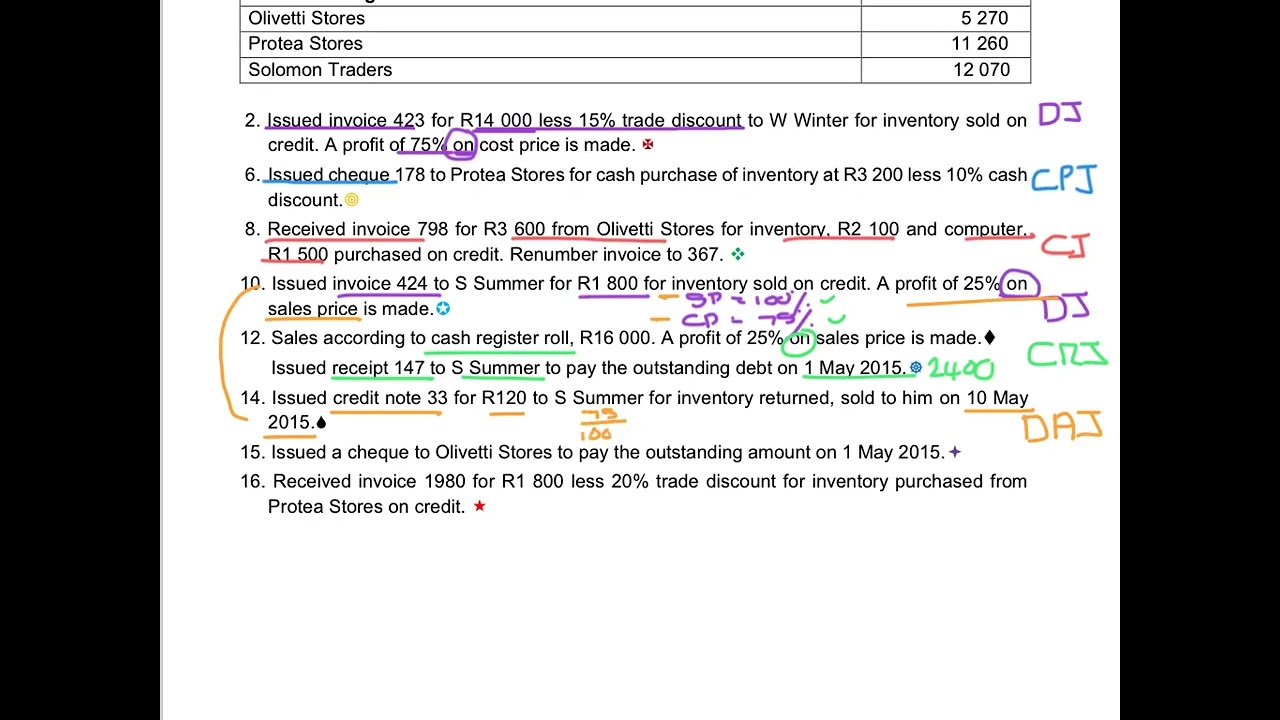
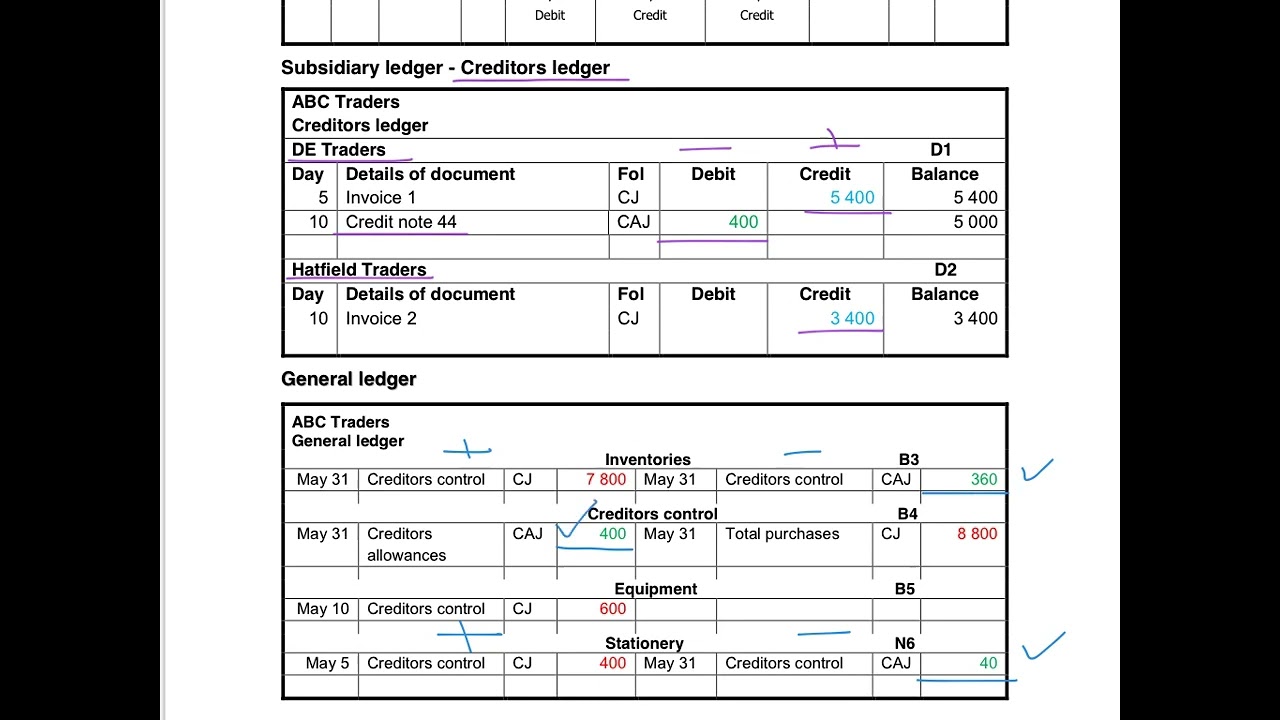
CREDIT TRANSACTIONS WITH CREDITORS

After studying this chapter, you should be able to:

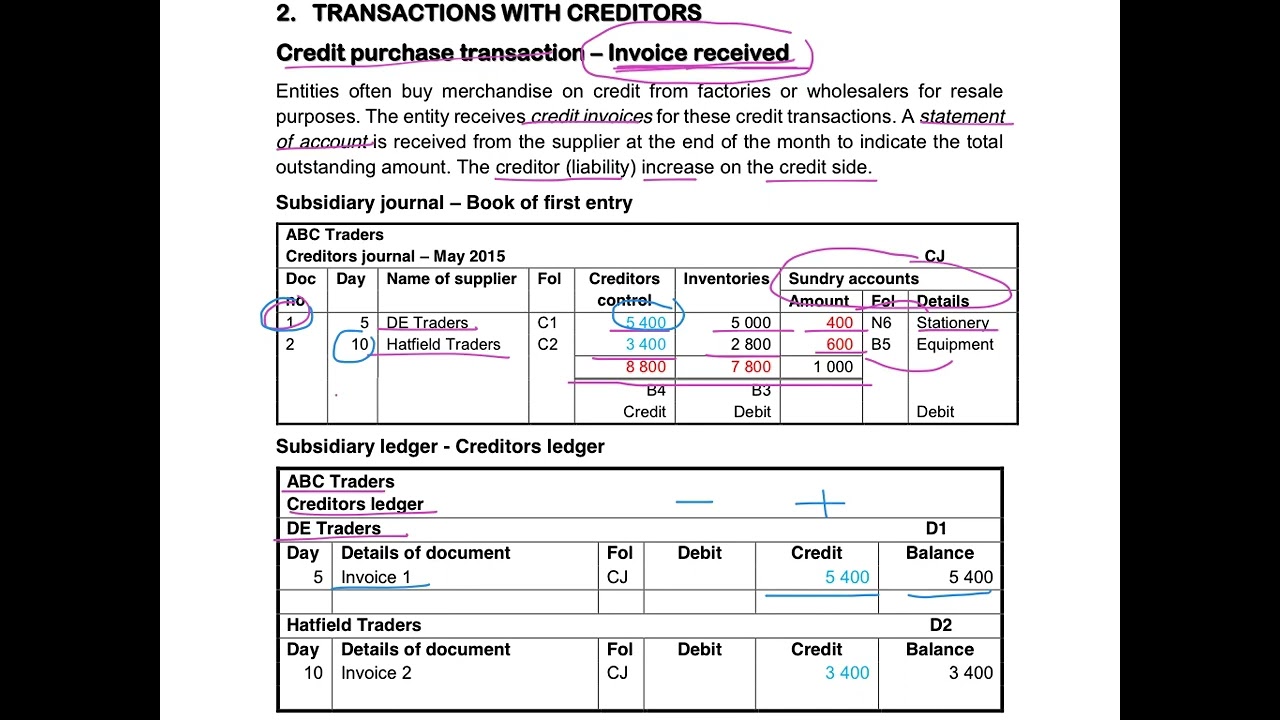
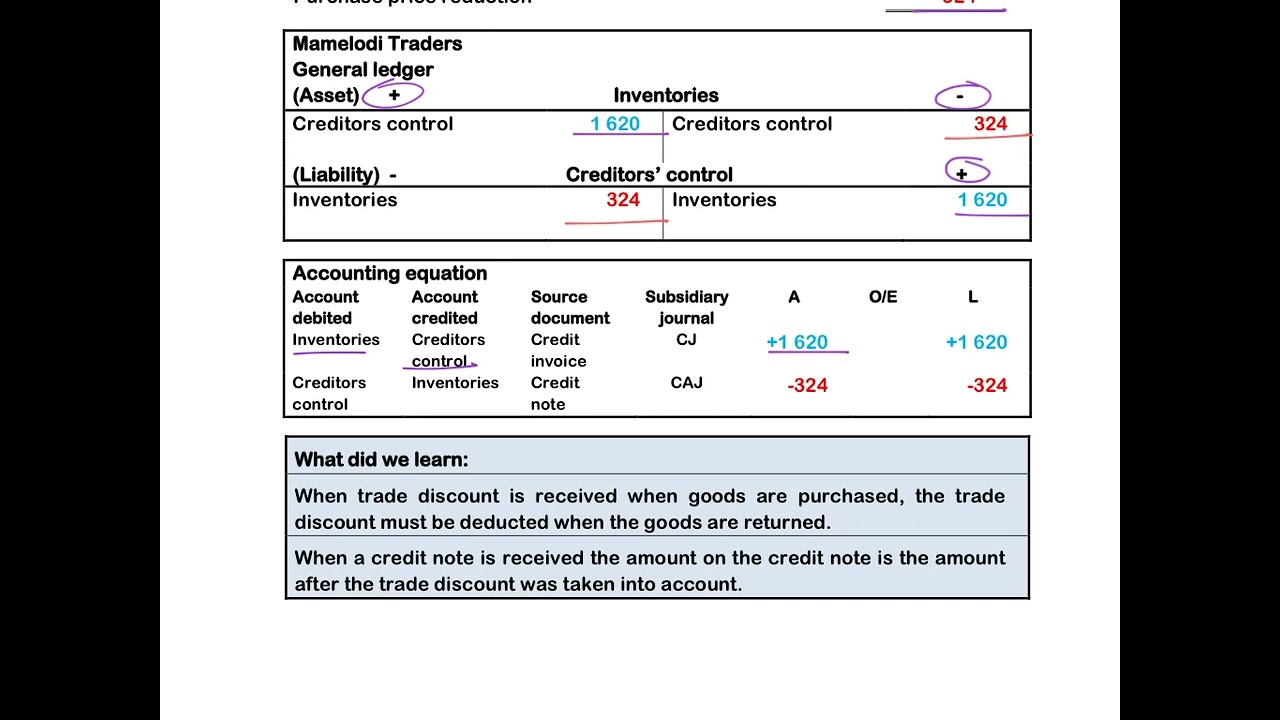
  • understand why an entity would purchase goods on credit,
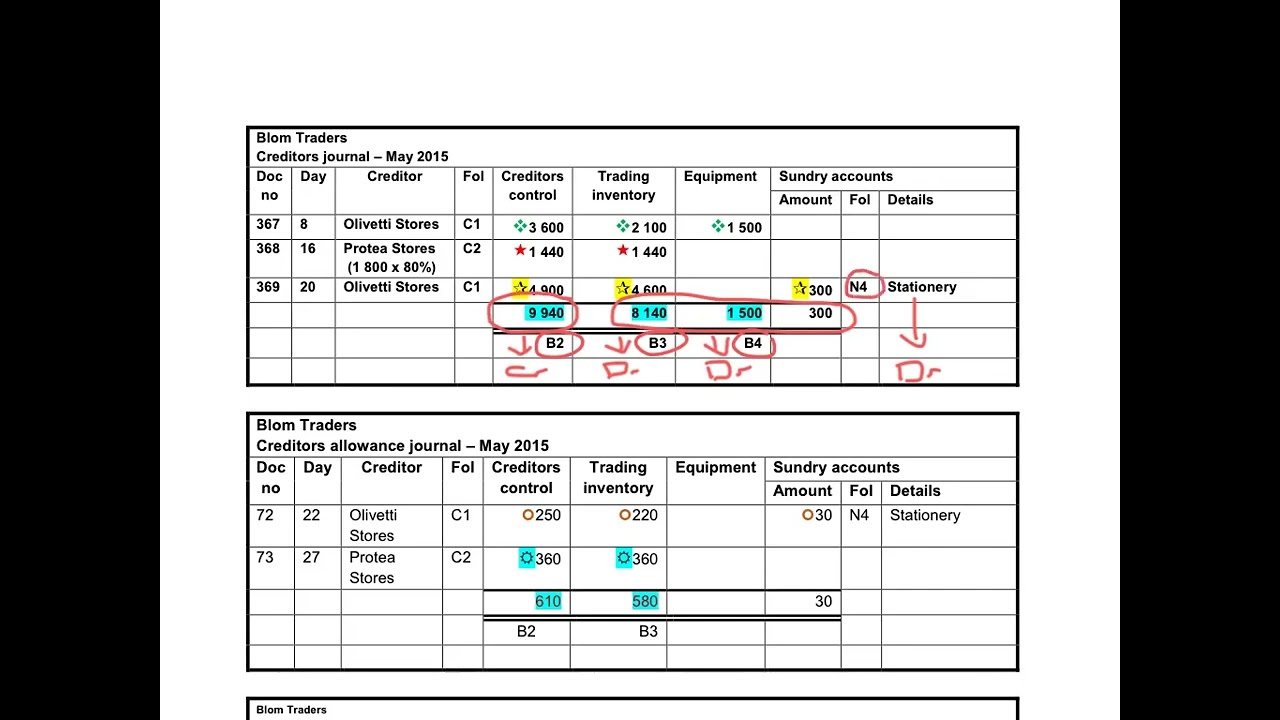
  • enter the credit purchase transactions with suppliers in the subsidiary
    journal,
  • enter the purchases returns transactions in the subsidiary journal,
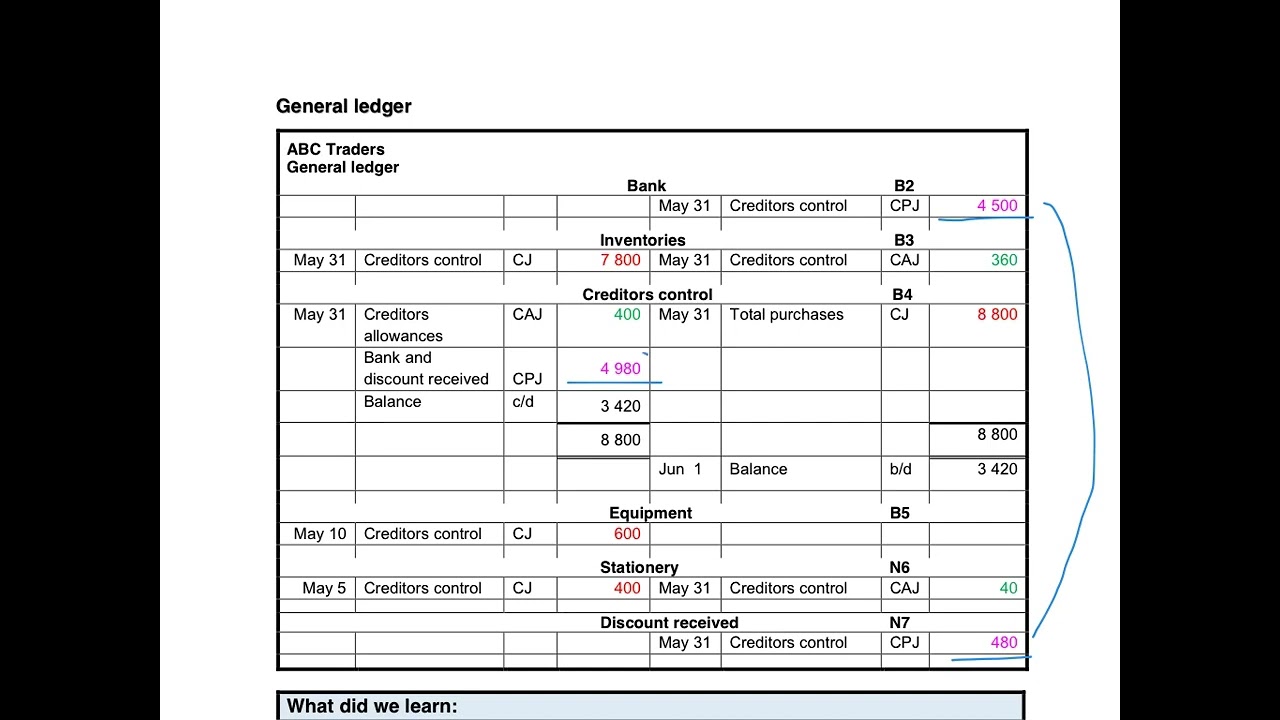
  • record payments to creditors in the subsidiary journal,
  • understand why an accounting system is needed to record transactions with
    each individual supplier,
  • transfer information from the subsidiary journals to the separate accounts in
    the creditors ledger and the general ledger,
  • understand the relationship between the creditor’s account in the creditors
    ledger and the creditors control account,

Subject Notes

Recordings

Playlist

13 Videos

Chapter 7

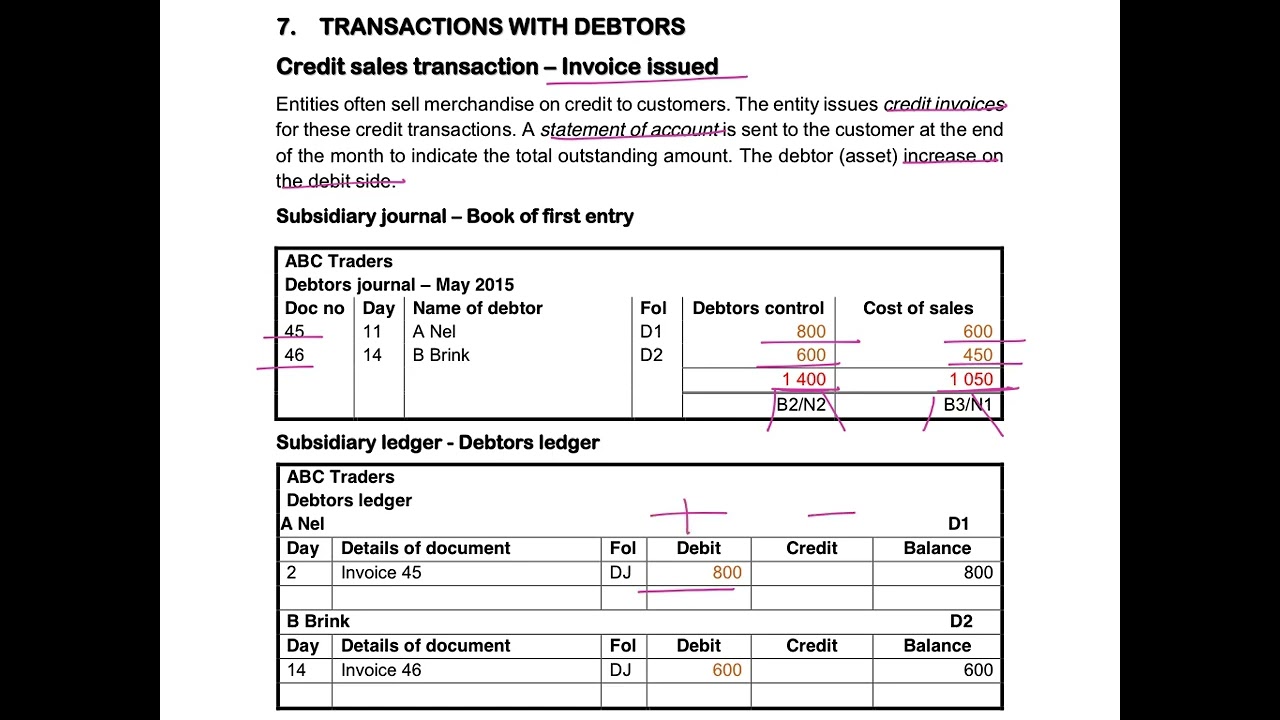
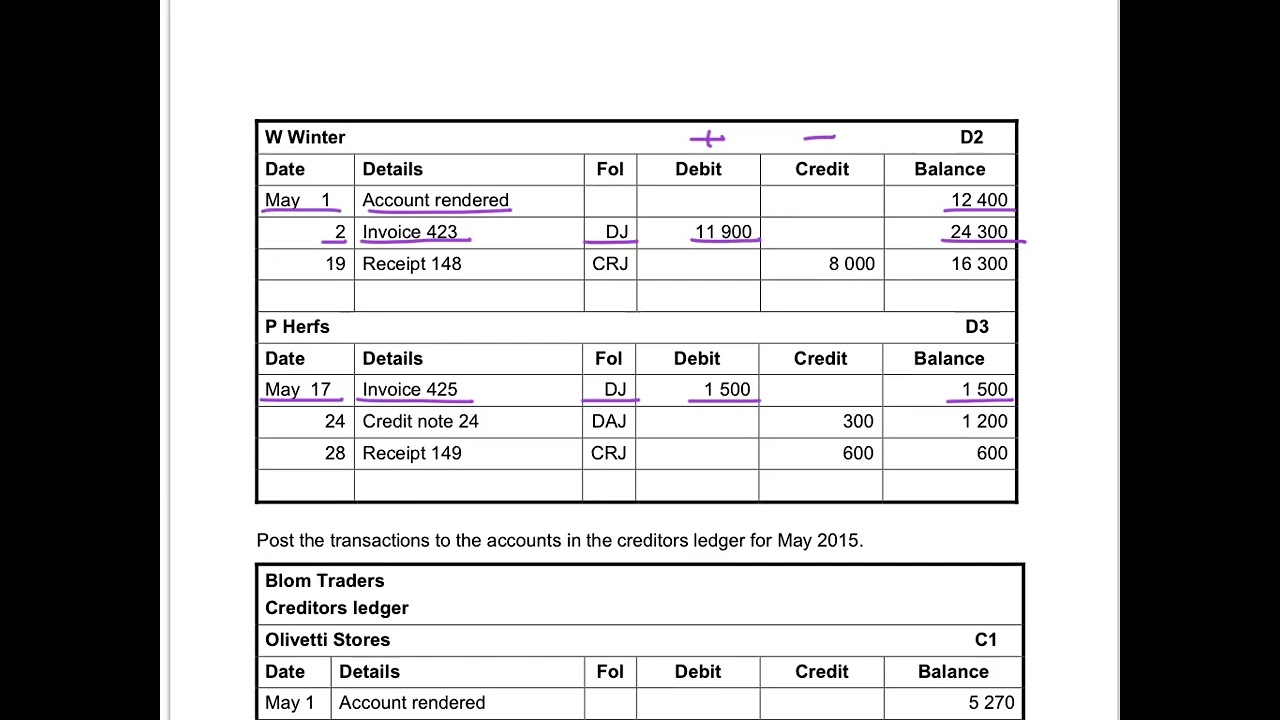
CREDIT TRANSACTIONS WITH DEBTORS

After studying this chapter, you should be able to:

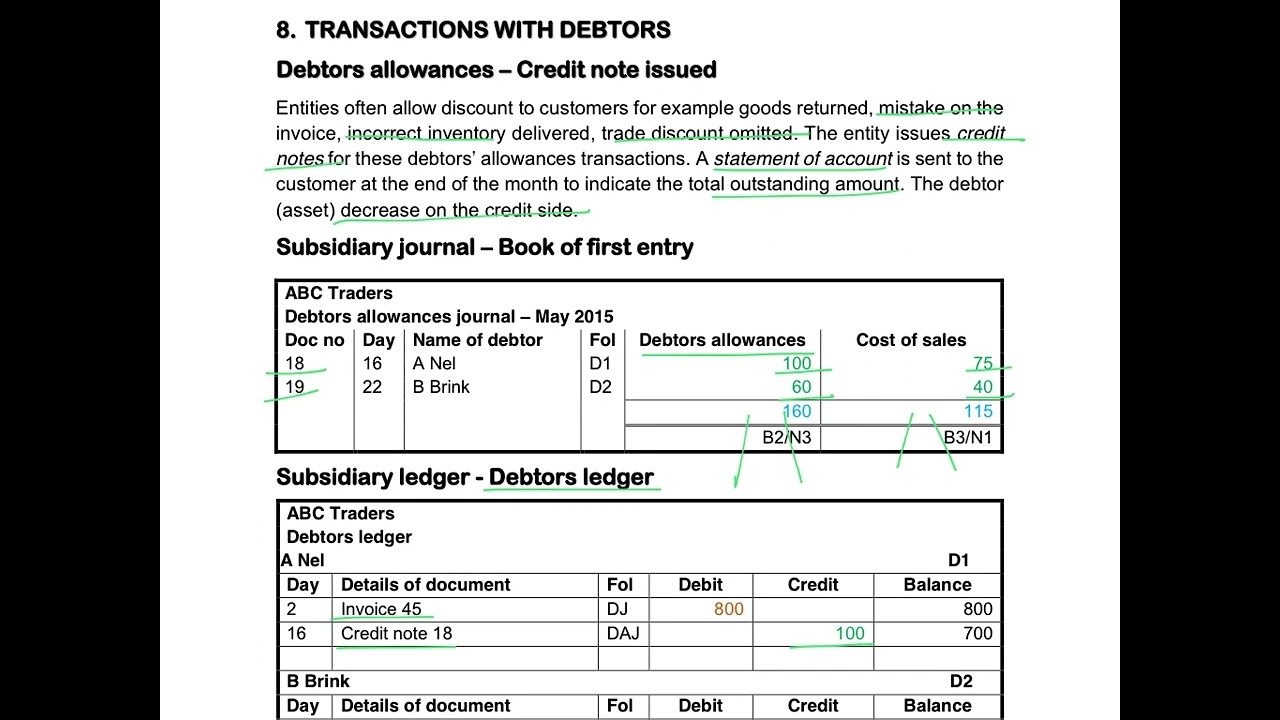
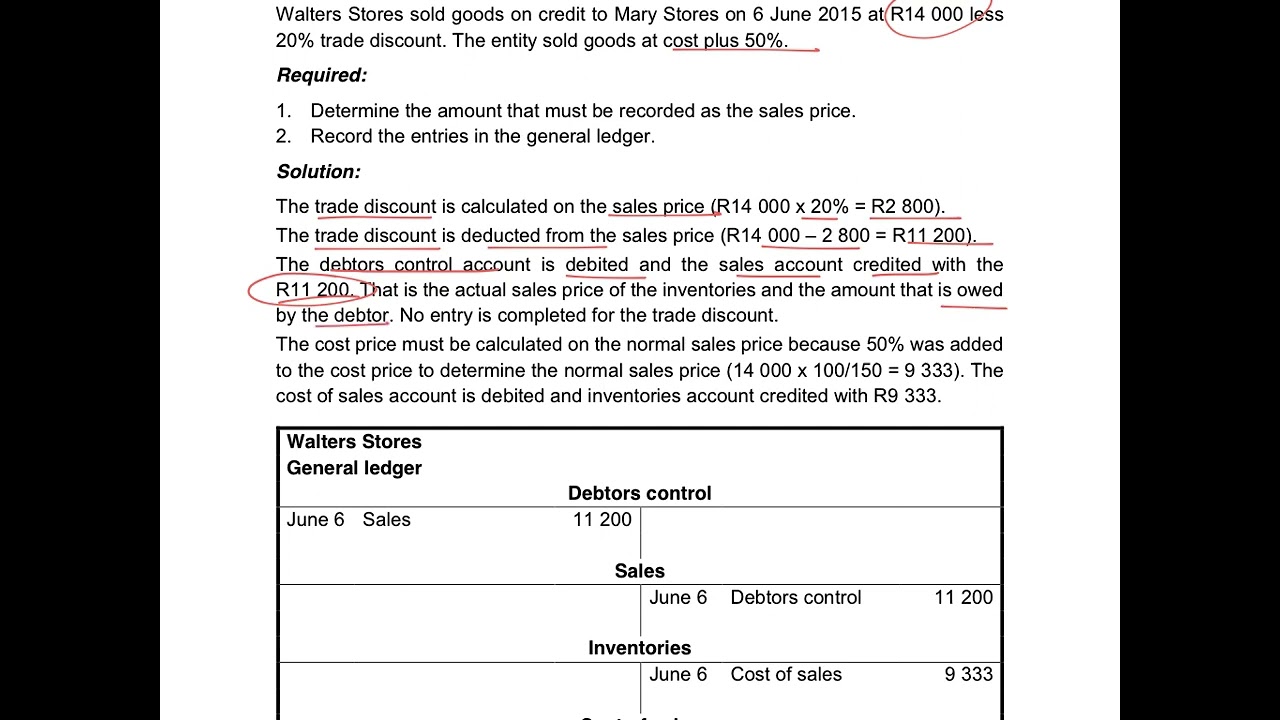
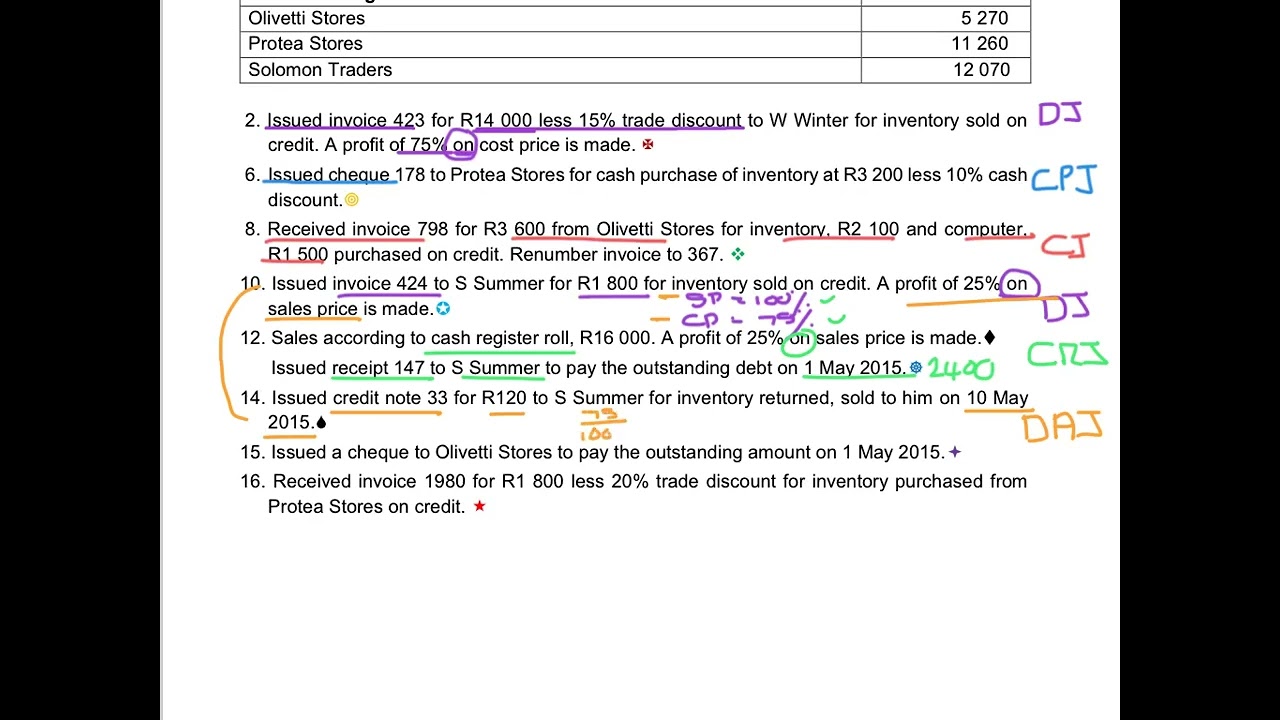
  • enter the credit sales transactions to clients in the subsidiary journal,
  • enter sales returns transactions of clients in the subsidiary journal,
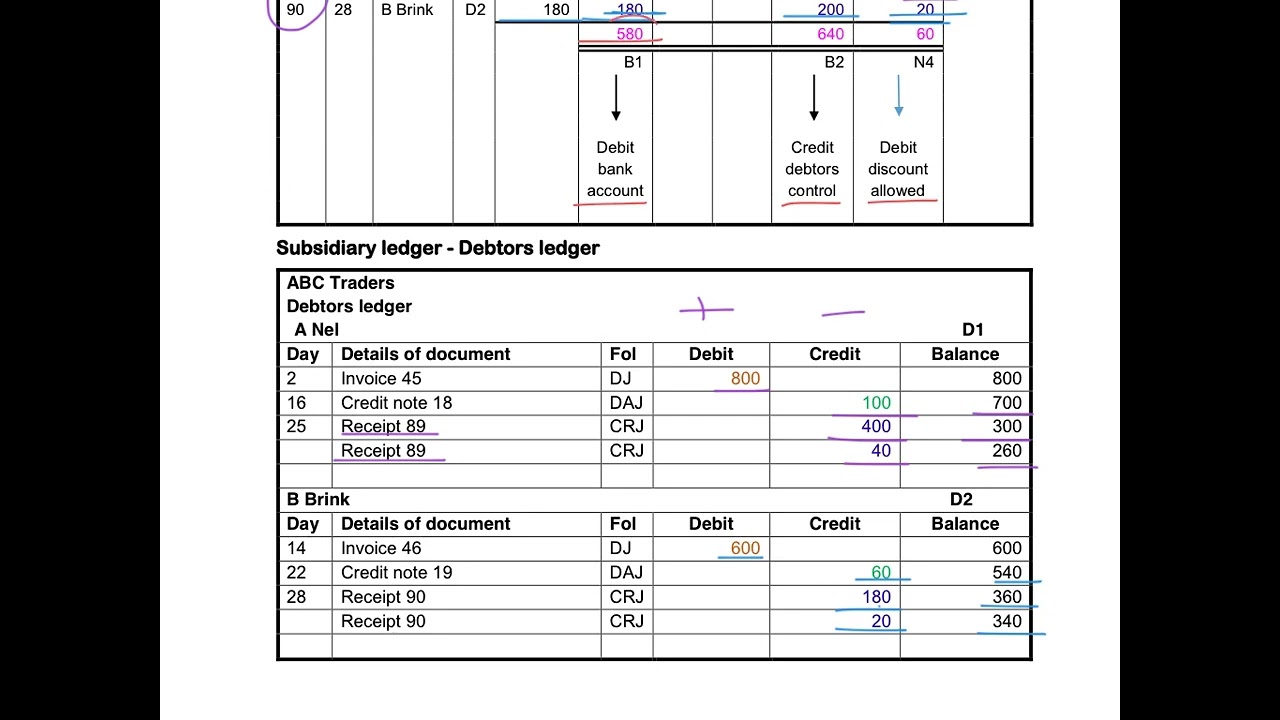
  • record collections from debtors in the subsidiary journal,
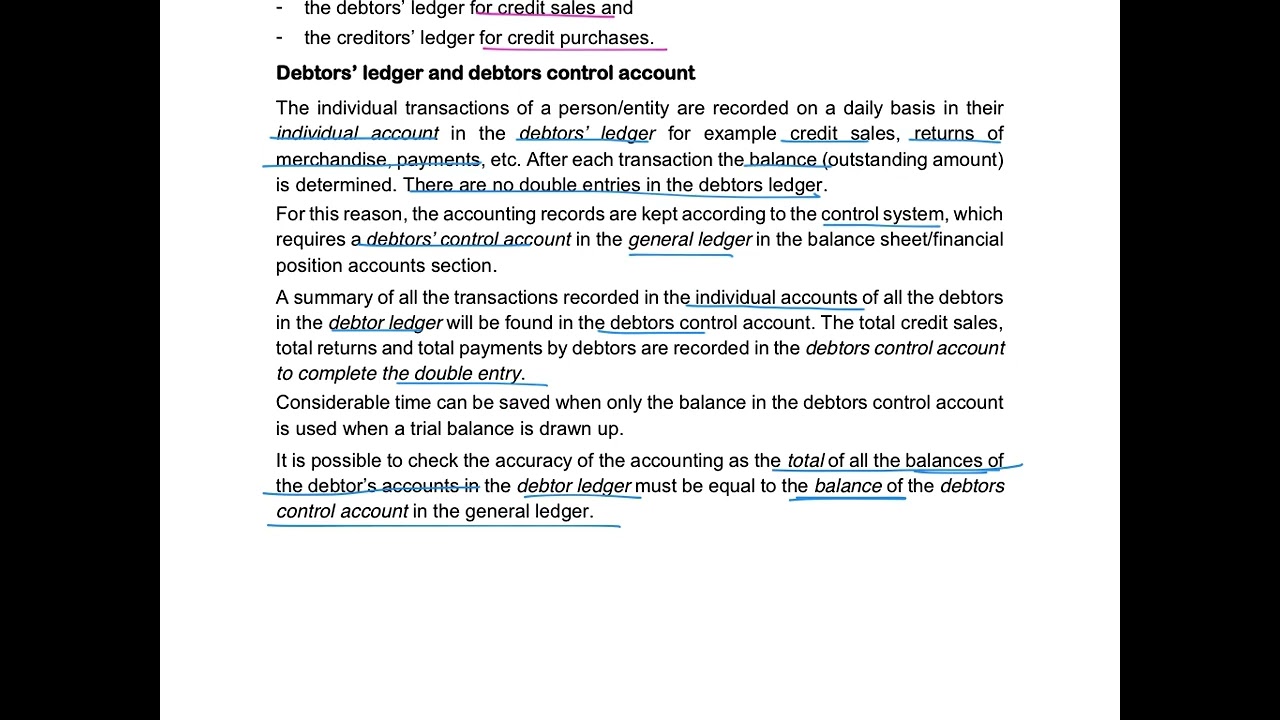
  • understand why an accounting system is needed to record transactions with
    each individual customer,
  • transfer information from the subsidiary journals to the separate accounts in
    the debtors’ ledger and the general ledger.

Subject Notes

Recordings

Chapter 8

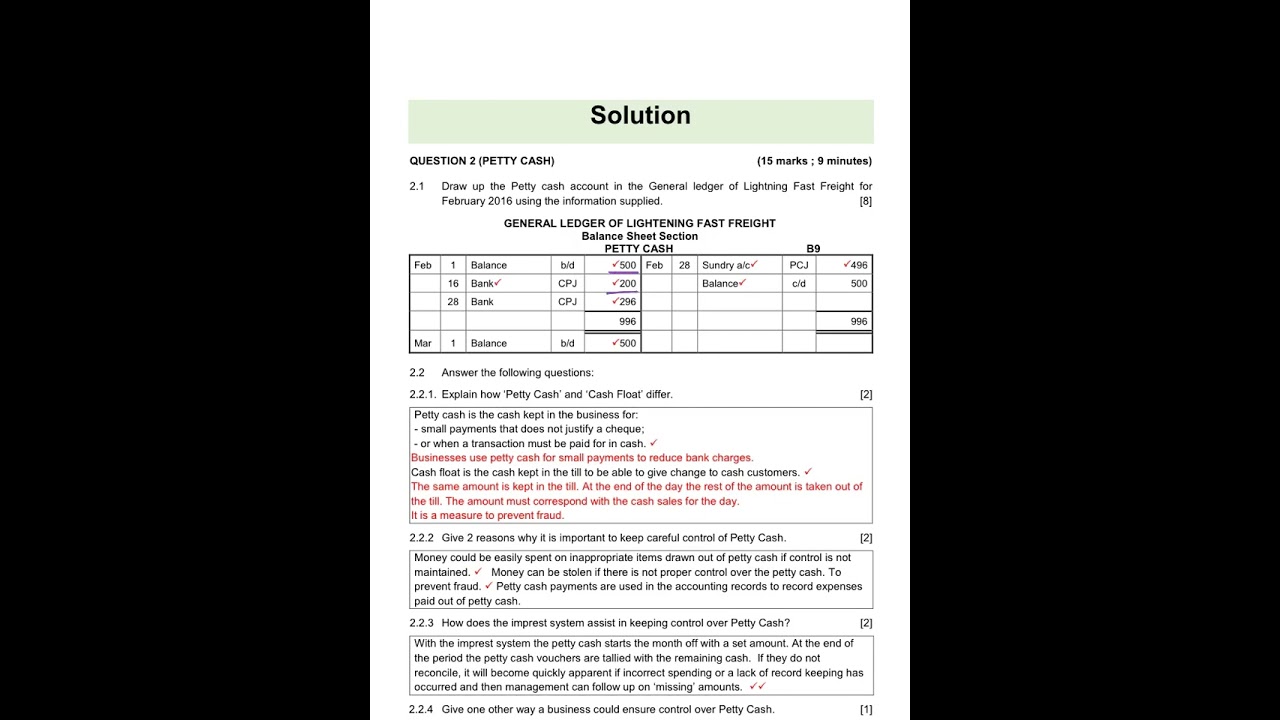
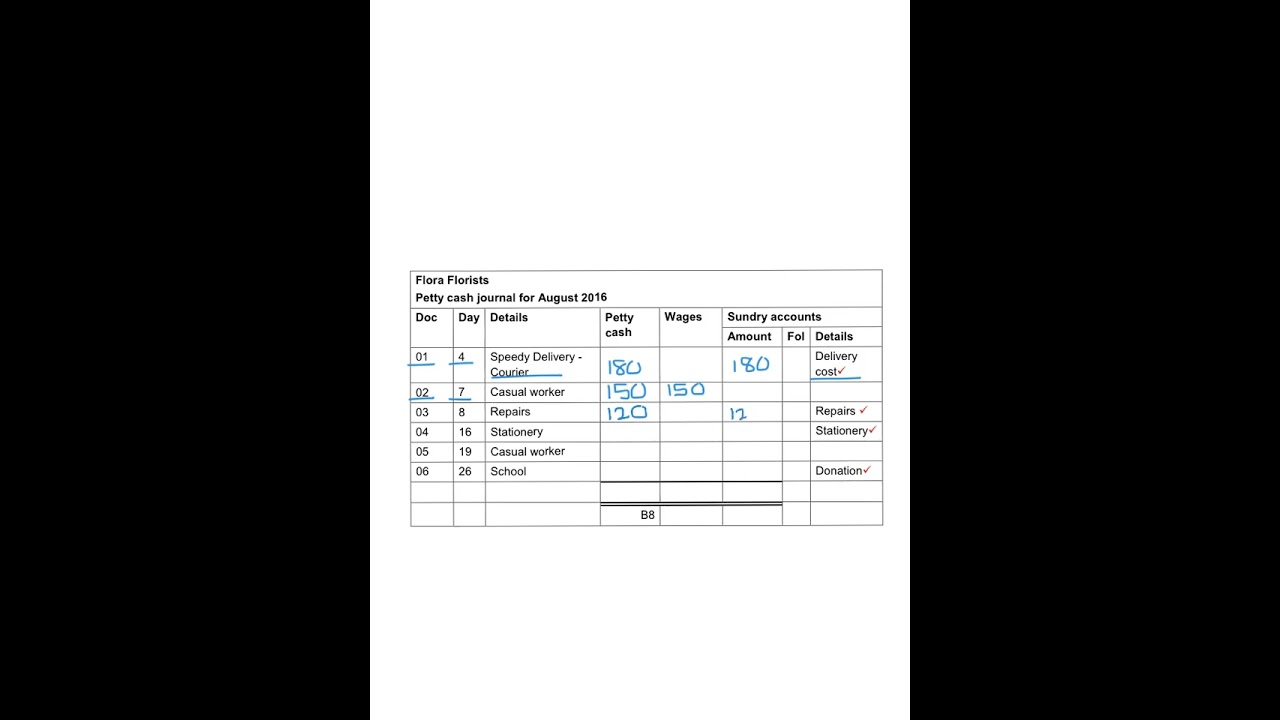
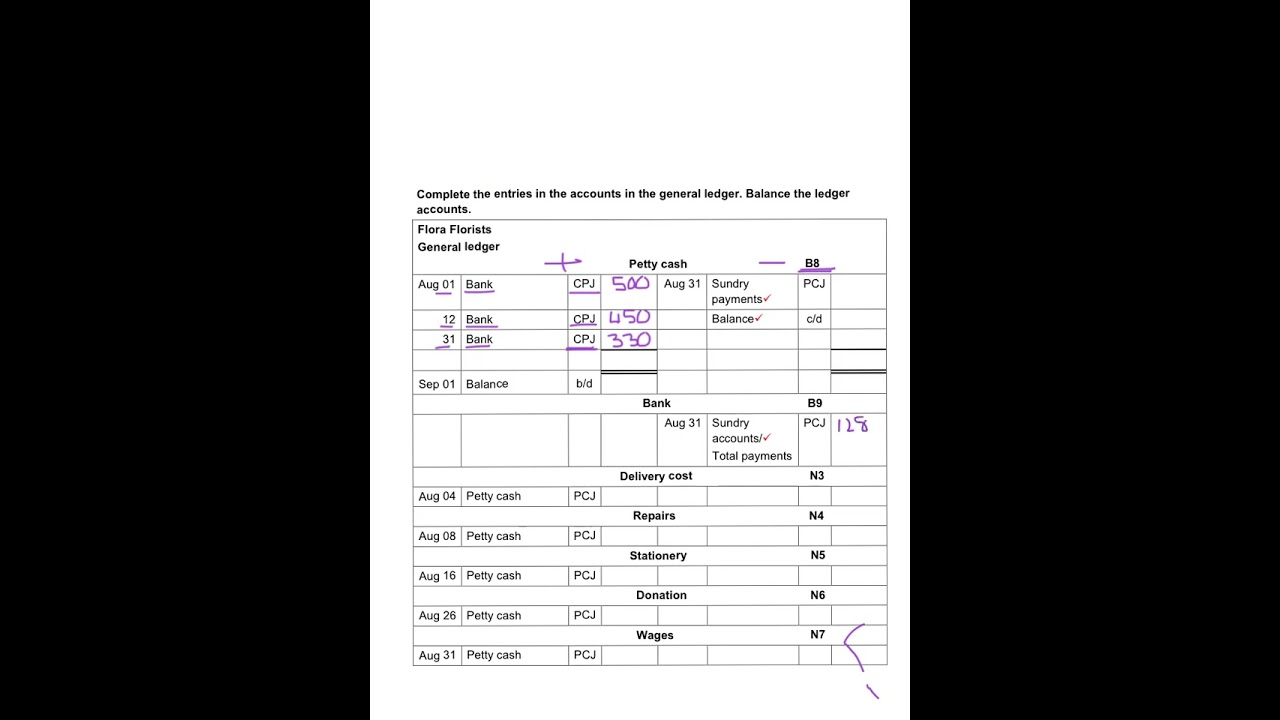
PETTY CASH JOURNAL

After studying this topic, you should be able to complete:

  • the petty cash journal;
  • to complete transactions in the cash payments journal when money is paid;
  • to post the transactions to the general ledger.

Subject Notes

Recordings

Chapter 9

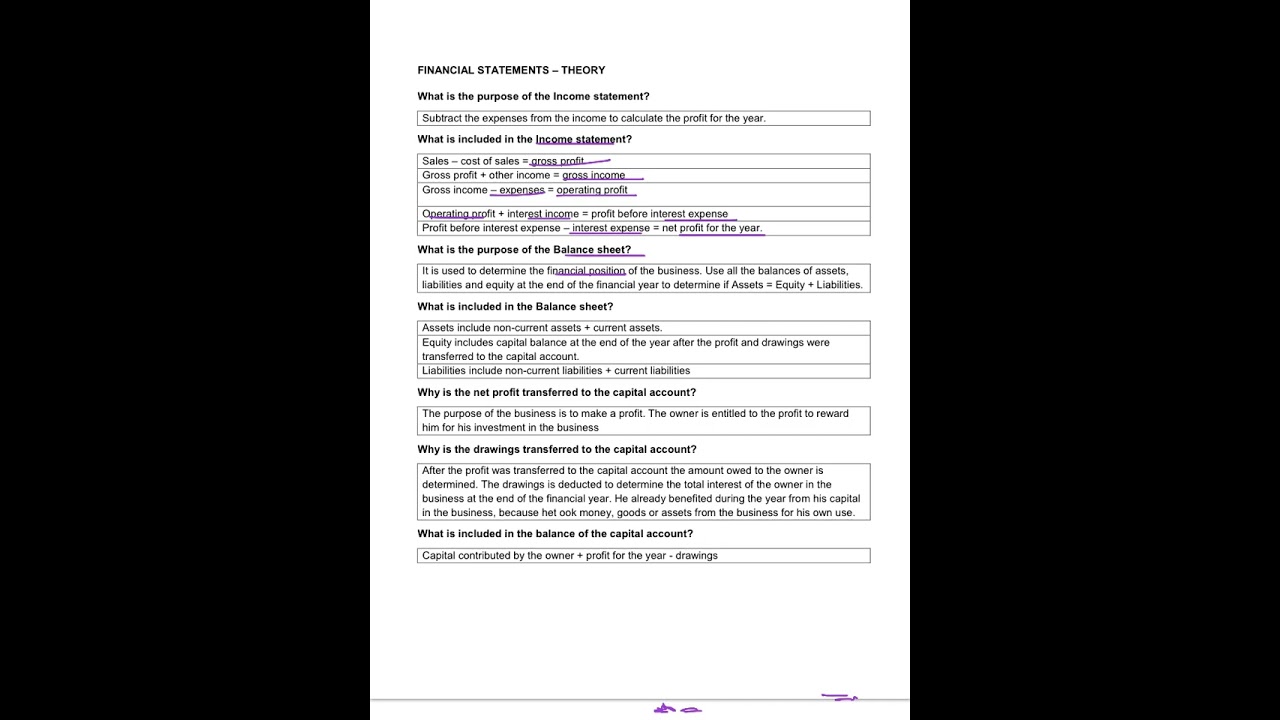
FINANCIAL STATEMENTS

After studying this chapter, you should be able to:

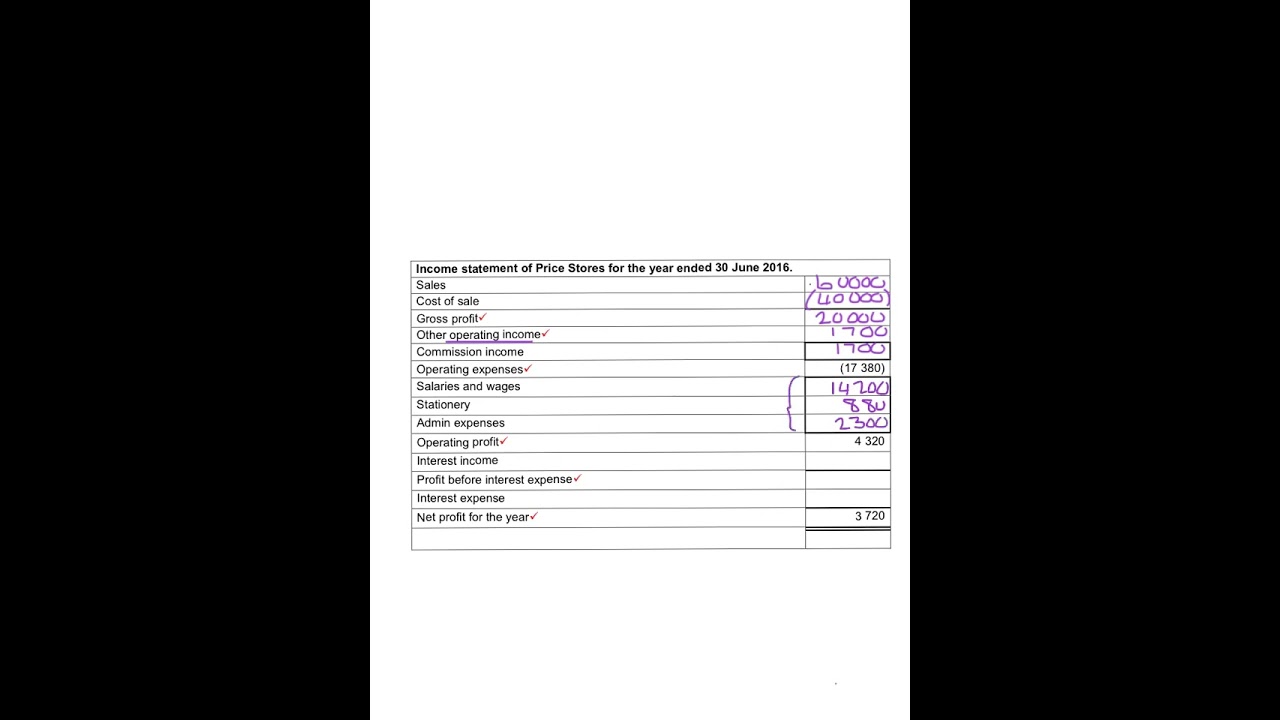
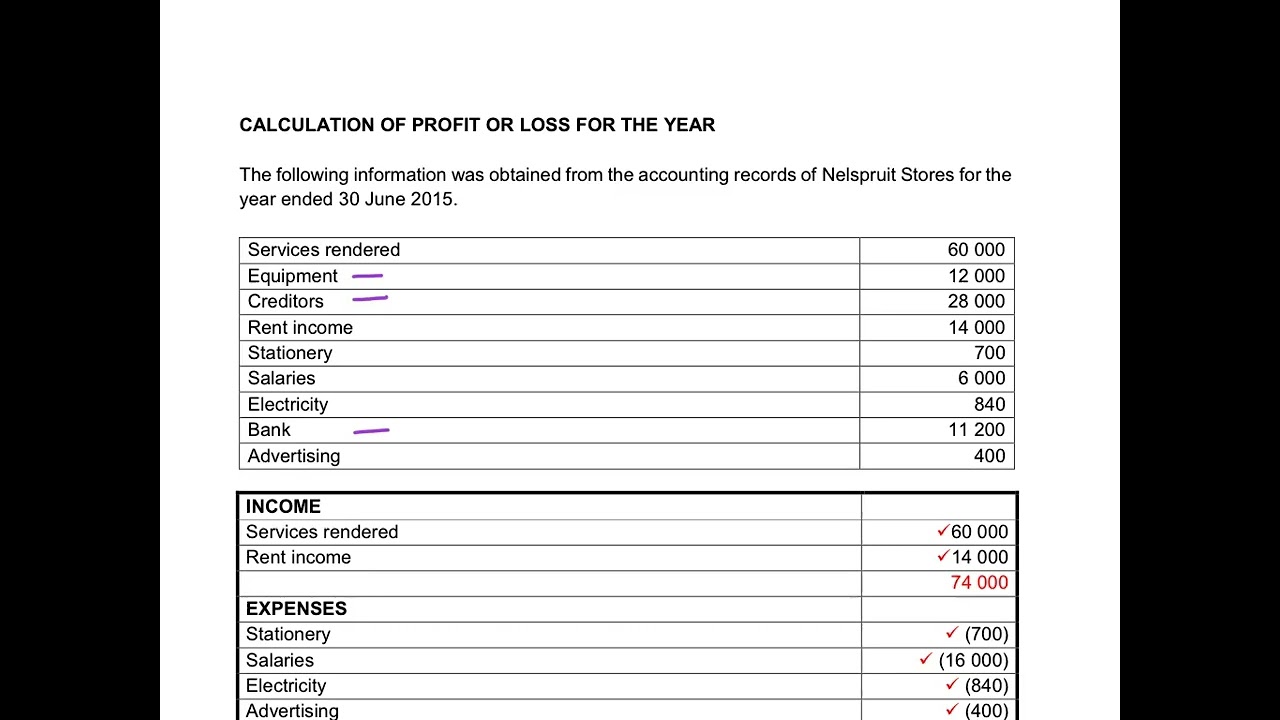
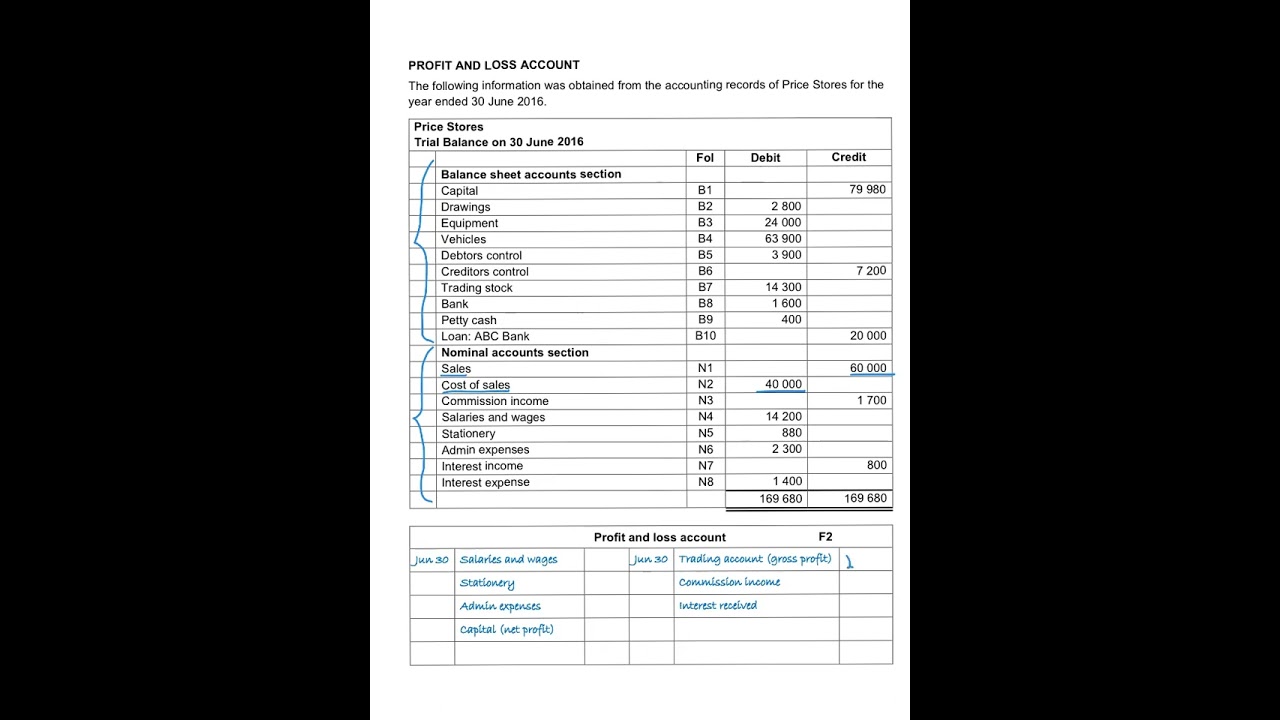
  • complete the statement of comprehensive income/income statement of a service undertaking and a retail business,
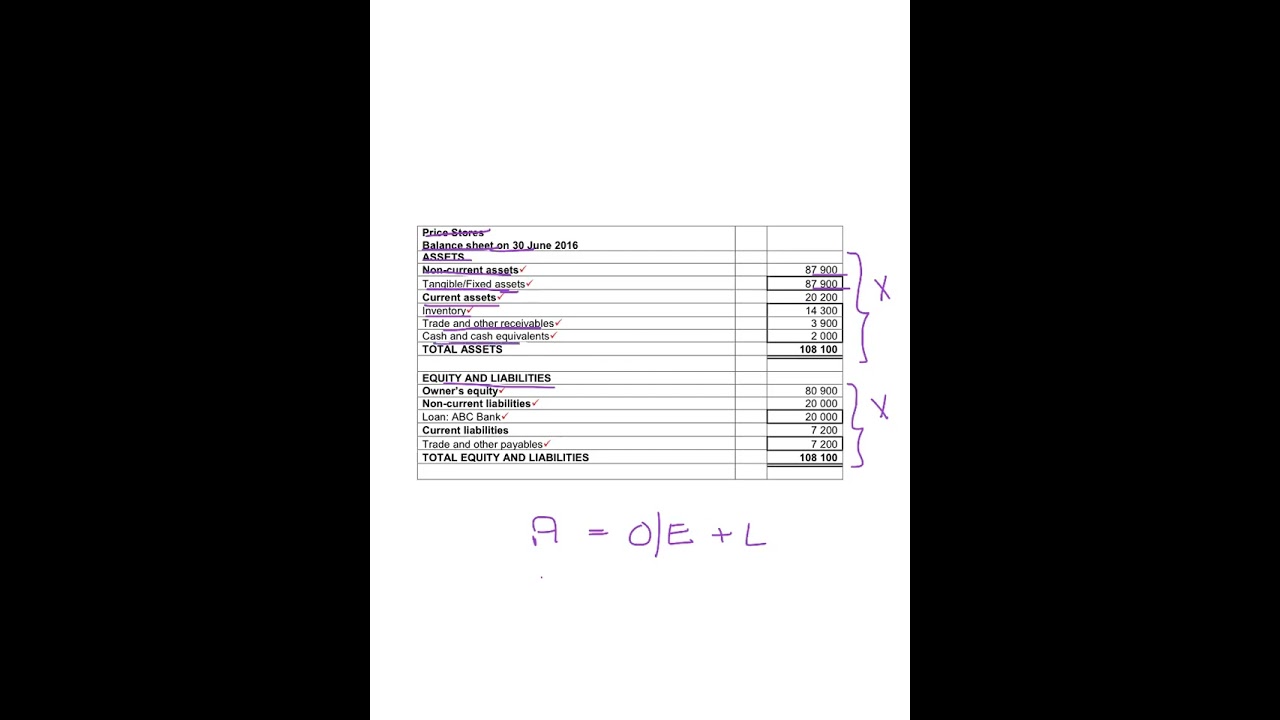
  • complete the statement of financial position/balance sheet of a service undertaking and of a retail business.

Subject Notes

Recordings

Copyright © 2026 Like2Understand. All rights reserved.

No part of this digital product may be reproduced, stored in a retrieval system, or transmitted in any form or by any means, electronic, mechanical, photocopying, recording, or otherwise, without the prior written permission of the copyright holder.